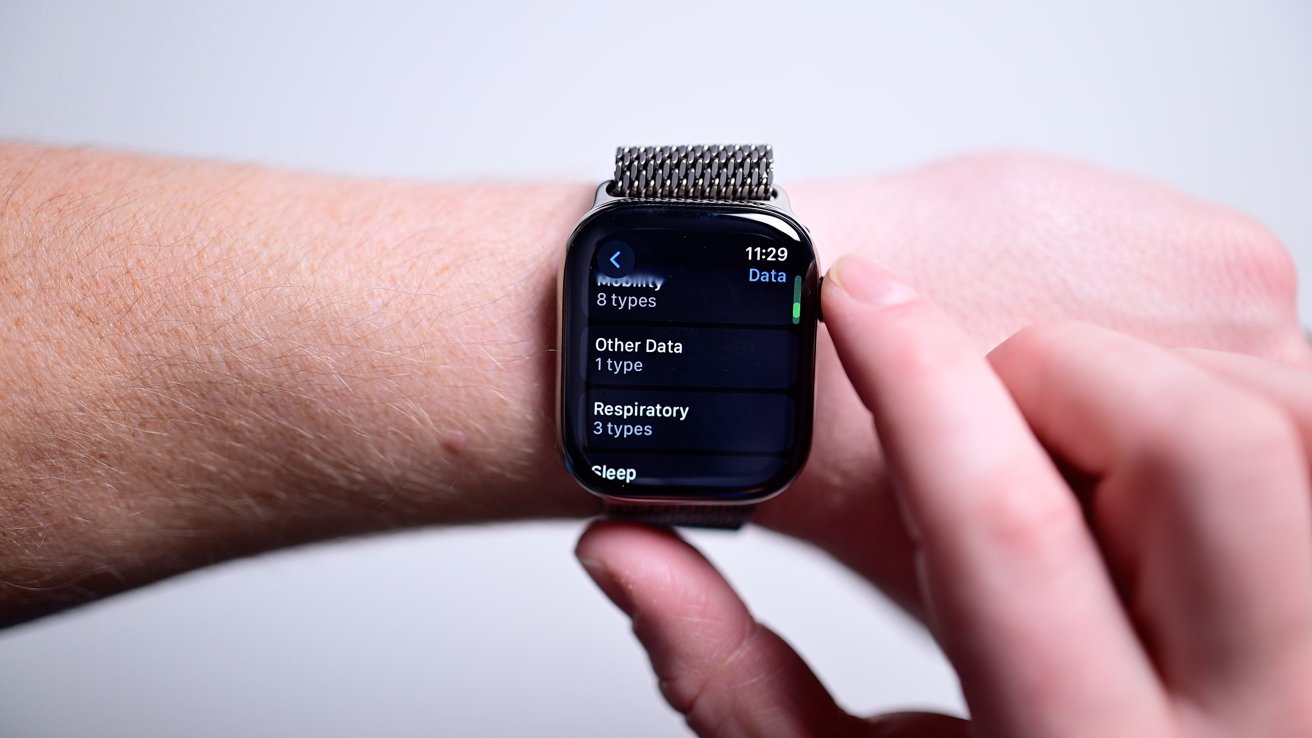

Apple has scaled back its ambitious AI-powered health coach plans, choosing to focus on incremental health features instead. This shift reflects the challenge of safely integrating AI into personal wellness guidance.
In the race to dominate personal health and wellness tech, Apple once set its sights on something bold — an AI-powered health coach that could guide users through fitness, nutrition, sleep, and more with intelligence guided by the iPhone and Apple Watch. But in early 2026, Apple reportedly scaled back its plans for this ambitious feature, opting instead for a more measured rollout of incremental health tools.
This change isn’t just corporate paperwork — it reflects a deeper question about how far technology should go in interpreting personal health data, how AI fits into daily life, and what users actually want from their devices.
In this blog, we’ll explore:
-
The origins of Apple’s AI health coach vision
-
What changed internally to shift strategy
-
The risks and challenges of building AI health tools
-
What Apple is still likely to deliver
-
What this means for users, developers, and the future of digital health
A Bold Idea: The Vision of an AI Health Coach
Apple’s reputation has always been tied to blending technology with personal wellbeing. From the beginning, the Apple Watch positioned itself as a wellness companion — monitoring heart rate, tracking workouts, and even identifying arrhythmias. The Health app became a central repository for an astonishing volume of data, from step count and sleep patterns to ECG readings.
It wasn’t a stretch to imagine Apple taking the next step: a virtual coach that used all of that data — plus contextual insights — to help you make better decisions. This wasn’t meant to be a simple notification or a generic suggestion. The idea was something smarter — a personalized guide that could:
-
Suggest workout plans based on activity history
-
Offer nutrition tips grounded in tracked behavior
-
Adjust sleep recommendations using trends over time
-
Provide mental wellness nudges based on stress and activity
In some internal presentations and product sketches, this feature was known in code as Project Mulberry — an AI-driven wellness assistant that would use on-device intelligence to interpret a user’s health data and offer proactive guidance. Some reports even suggested a “Health+” subscription tier that would expand this feature into a standalone service.
For users, it promised a future where your phone didn’t just track your habits — it helped shape them.
Expectations vs Reality: Why Plans Shifted
Despite the excitement surrounding Project Mulberry, early plans have changed. According to industry sources, Apple executives conducted internal reviews and concluded that the original vision wasn’t strong enough compared to competing wellness platforms. Leadership changes at the top of Apple’s Health and AI teams partly fueled this reassessment.
Leadership Turnover and Strategic Reprioritization
Late in 2025 and into early 2026, Apple underwent several executive transitions — most notably the retirement of Jeff Williams, a longtime Apple health division leader. With this shift, responsibilities were reorganized and brought under different leadership umbrellas.
Where once health and fitness innovation was driven by a dedicated internal group, the strategic review brought oversight into the hands of broader services leadership, which reportedly evaluated the AI health coach concept against existing products in the market — including offerings from Oura, Whoop, and other health tech startups.
This review concluded that if Apple was going to invest in an AI coach, it needed to be distinctly superior — not just a replication of what existed already with a slightly bigger Apple logo. The initial design, stakeholders reportedly felt, didn’t rise to that level.
Ultimately, rather than moving forward with a comprehensive AI health coach launch, Apple scaled back the project and redirected resources toward smaller, more incremental AI health features.
The Difficulty of AI in Health
Building an AI health coach isn’t just a technical challenge — it’s a regulatory, ethical, and design challenge.
1. Accuracy and Reliability
Health recommendations aren’t like telling a user to try a new app or adjust a wallpaper. They can influence decisions around exercise intensity, diet, or behavior associated with chronic conditions. If an AI health coach gives poor advice, it could do real harm.
Apple has always been cautious about positioning its products as medical devices unless they go through rigorous review. A fully fledged AI coach blurs the line between wellness guidance and medical advice — a space fraught with regulatory requirements.
2. Personal Data Sensitivity
Health data is among the most sensitive categories of user information. Apple’s longstanding marketing narrative around privacy is a central pillar of its brand. Training or running health AI models that interpret deeply personal data requires careful balancing between usefulness and user trust.
Keeping those computations on-device (rather than in the cloud) is one solution — but that limits the complexity of models and the breadth of insights they can offer.
3. Competition Already Evolved
Companies focused solely on health and wellness, like Oura and Whoop, have spent years refining their products with fewer legacy constraints and narrower scopes. Their AI and insights are powered by niche understanding rather than Cupertino-wide strategic priorities.
Apple needed to offer something measurably better — not just different — and that requirement made the original health coach concept harder to justify.
What’s Still Likely to Come
Although the grand vision of an Apple AI health coach is on pause, that doesn’t mean Apple is abandoning health innovation. Far from it. The shift appears to be toward incremental, actionable features that can be delivered sooner, tested with real users, and iterated quickly.
Here’s what analysts and insiders believe Apple is likely to prioritize next:
1. Health-Focused AI Chat Features
Instead of a fully proactive coach, Apple could introduce AI-powered chat features inside the Health app that allow users to ask questions in natural language — things like:
-
“Why did my heart rate spike last night?”
-
“How does my sleep score compare to others?”
Similar features already exist in rudimentary forms elsewhere, but Apple’s advantage would be on-device intelligence that protects user privacy.
2. Camera-Based Health Insights
Many Apple Watch metrics require wearing a device. Apple has been experimenting with ways to gather health indicators using just the iPhone — such as using the camera to analyze gait patterns or detect changes in movement. These aren’t full coaching features, but they tie directly into personal wellness insights.
3. Incremental Coaching Components
Rather than a single big reveal, Apple may opt to roll out modular coaching elements over time — small recommendations tied to specific datasets:
-
Gentle reminders after a period of inactivity
-
Sleep hygiene tips based on tracked patterns
-
Contextual movement suggestions triggered by day-long trends
These components may not have the grand branding of a unified health coach, but they add real value organically to the user experience.
What This Means for iPhone and Apple Watch Users
For many users, this shift likely won’t feel like a loss — because the most practical health features are the ones you experience every day:
-
Daily reminders from the Apple Watch to stand or breathe
-
Trends in activity, sleep, and vitals collected in Apple’s Health app
-
Health sharing with loved ones or professionals
The scaled-back approach means Apple’s innovations may arrive sooner and more reliably, rather than being held up in a massive single launch that tries to do everything at once.
Here’s how this shift impacts different groups:
Everyday Users
Instead of waiting months or years for a major AI coach feature, everyday users will likely see incremental enhancements to health insights that feel familiar but more helpful — like clearer explanations of trends or AI-assisted summaries of complex data.
Developers
Third-party developers focusing on health and wellness may benefit. Apple frequently exposes APIs and tools that allow health apps to integrate with watchOS and iOS. A push toward smaller AI features could mean more opportunities for apps to leverage new frameworks.
Healthcare Providers
Apple’s health data ecosystem is already used by healthcare professionals in various capacities. Smaller AI tools that help interpret patterns may improve patient engagement and understanding without overstepping into medical advice territory.
The Broader Implications for AI and Health Tech
Apple’s recalibration reflects a broader truth in the tech world: AI excellence isn’t just about ambition — it’s about execution, safety, and trust.
Here’s what this pivot reveals:
1. Caution Matters in Health AI
Health guidance carries risk. Unlike a chatbot that helps you draft an email, AI suggestions around wellness must be correct, unbiased, and safe. Missteps in health AI can have real consequences — something regulators are increasingly concerned about.
2. Incremental Wins Beat Big Bangs
Apple’s move isn’t retreat — it’s a strategic reframe. Delivering smaller pieces of smarter technology allows for testing, feedback, and iteration. This agile approach may well produce more durable and genuinely useful health tools.
3. The Future Is Still Smart
While a comprehensive AI health coach is paused, the direction remains clear: Apple is investing in AI that touches health data. The company’s announcement of broader Apple Intelligence enhancements (such as smarter Siri and contextual assistance) shows that AI is a core priority — just not delivered as a single monolithic experience.
In 2026, AI isn’t a destination — it’s a toolbox.
What Comes Next?
Predicting Apple’s product roadmap is always part art, part informed guesswork. But based on current trends and reported strategy shifts:
-
Expect AI health features to arrive in iOS 27 and watchOS 10.x updates
-
Look for natural language understanding inside the Health app
-
Anticipate camera-assisted health metrics
-
Watch for modular health insights that don’t require a massive marketing splash
Apple has a history of making small improvements that feel huge in practice — think of how Activity Rings grew into Fitness+, or how Health Records quietly changed patient access to medical data.
This reframed strategy may not carry a flashy product launch headline, but it might be the more enduring path to meaningful biometric intelligence.
Conclusion: A Smarter, Safer Path Forward
At first glance, Apple’s decision to scale back its AI health coach might look like a missed opportunity. But dig a bit deeper, and you see that this move demonstrates discipline — a recognition that AI in health isn’t mature enough to be packaged as a single “assistant,” and that technology should enhance life without introducing risk.
For users, this means smarter, safer, and more practical health features arriving sooner, rather than a big reveal followed by delays and frustration. Apple continues to innovate in health tech — just in a way that prioritizes deliverability over hype.
The age of health AI hasn’t been canceled. It’s simply evolving — one thoughtful feature at a time.

 Travel
  Studies
  Food
Food  Fashion
  Technology
  Health





All Comments (0)