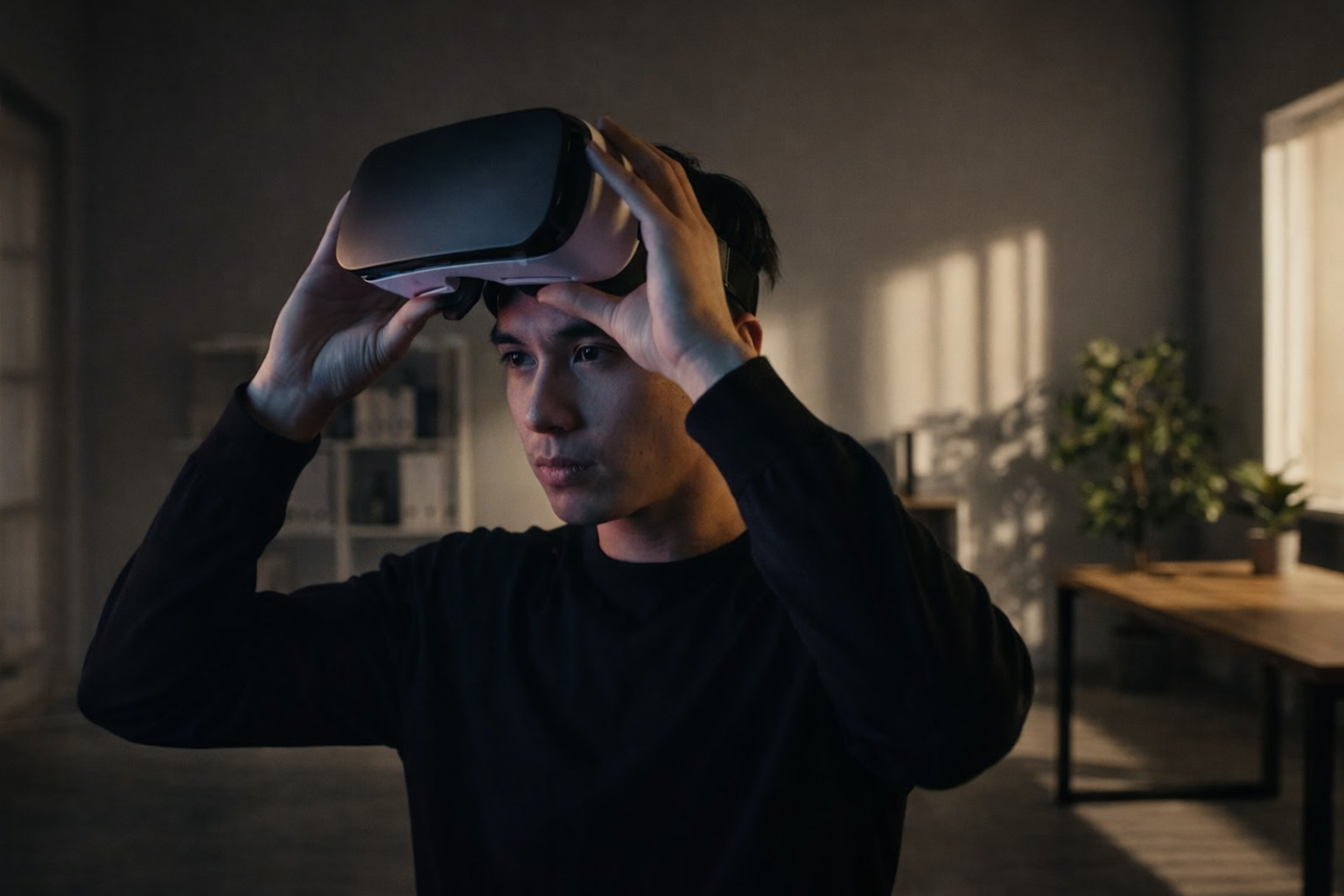

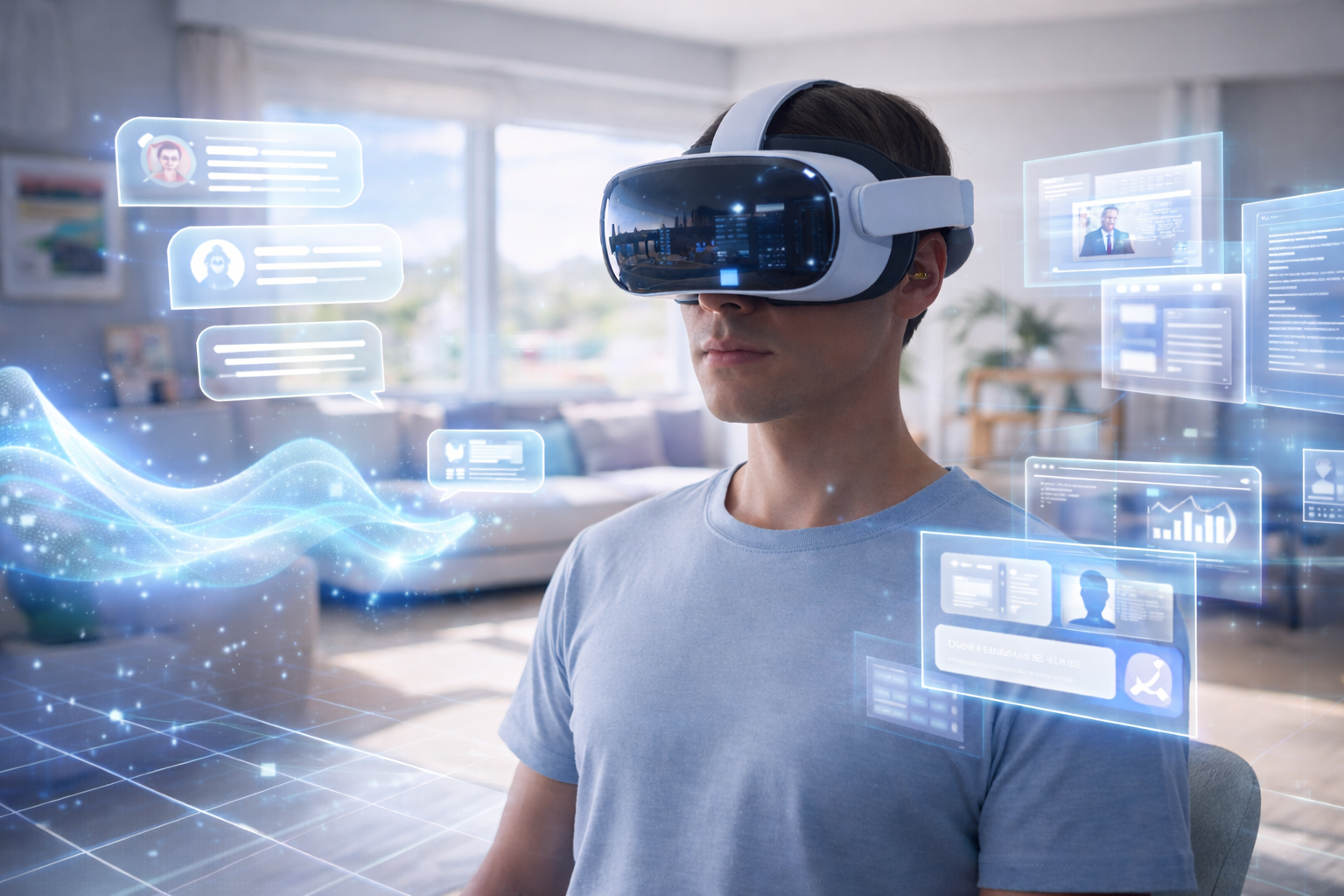
Meta’s ambitious metaverse vision is facing a reality check. With major VR layoffs, studio closures, and a shift toward AI-powered wearables, the tech giant is pivoting its strategy — proving that big dreams often require bold course corrections.
Picture this: a company once bent on building entire virtual worlds — where friends could meet, work, hang out, and play inside goggles instead of living rooms — suddenly pauses, rethinks, and asks itself a tough question: “Is this dream still worth it?” That’s exactly the moment Meta, the tech giant behind Facebook and Instagram, finds itself in right now.
Once Upon a Big Tech Dream
Not too long ago, when Mark Zuckerberg announced that Facebook was becoming Meta, the message was clear: the future belonged to the metaverse — immersive virtual universes built using cutting-edge VR and AR tech. Reality Labs, the division dedicated to building this future, became the beating heart of that vision.
But as with many grand ambitions, reality hit hard.
The Big Shift: Layoffs, Studio Closures, and Strategic Rethink
In early 2026, Meta began a significant shakeup. More than 1,000 employees — nearly 10% of Reality Labs’ workforce — were told their roles were being cut. Entire VR game studios like Armature, Sanzaru, and Twisted Pixel are now silent. Even Supernatural, the popular VR fitness app once seen as a cornerstone of Meta’s metaverse ecosystem, stopped receiving updates.

For the engineers and creators inside those walls, this wasn’t just another round of layoffs — it was a blow to the dream they had signed up for, a dream of digital worlds where the physical and virtual blur. Some employees took to LinkedIn and social feeds with heartfelt messages, expressing pride in what they built and wishing their teams well as they looked for new opportunities.
“VR Isn’t Dead,” Says a Voice Inside
Amid the uncertainty and speculation, one Meta executive chose to step into the public eye — Dilmer Valecillos, a Developer Advocate at Meta. In a post on X (formerly Twitter), Valecillos sought to calm nerves, reassuring the tech community that Meta isn’t giving up on VR.
He shared that while budgets have been cut and teams reshuffled, the company still believes in virtual reality’s potential. The layoffs, he emphasized, were part of a strategic pivot — not an abandonment. Reality Labs may be leaner, but it isn’t disappearing.
The Bigger Picture: From Metaverse to AI Wearables
So why the cuts?

Behind the scenes, Meta has been reevaluating where its future lies. For years, Reality Labs operated like a giant R&D lab with massive spending — and massive losses. Some reports note that the metaverse efforts have cost Meta tens of billions of dollars without generating meaningful returns.
At the same time, AI and wearable technology — like Ray-Ban Meta smart glasses — are showing more immediate promise. Meta is reallocating resources toward these areas, along with mobile AI experiences that might reach billions of users faster than bulky headsets ever could.
This shift reflects a broader trend in tech: deep ambition must eventually meet market reality.
Industry Reactions: Mixed Signals and Hope
Not everyone sees the layoffs as pure doom and gloom. Palmer Luckey, the founder of Oculus who was once ousted from Meta, took to social media to push back on the narrative that Meta had abandoned virtual reality entirely. Luckey called the layoffs “not a disaster”, pointing out that even after cuts, Meta still employs more VR staff than almost any competitor.
His perspective underscores a key truth: this isn’t the end of VR — just a reset.
A Story of Reinvention
For tech watchers and creators, Meta’s latest chapter is a reminder that innovation rarely follows a straight line. The metaverse wasn’t a failure — it was an experiment that stretched far beyond what most people thought possible. What’s happening now is not a collapse but a refocusing — a recognition that the best path forward might be less immersive fantasy for now, and more practical, AI-powered reality.
As one industry insider put it: VR isn’t gone — it’s being refined, rethought, and built to last in a smarter, more sustainable way.
Final Thought
The story of Meta’s VR pivot isn’t just about layoffs or strategic swings.
It’s about how big dreams adapt to real-world challenges.
And if Meta’s journey shows us anything, it’s this: the future of tech isn’t defined by a single vision — it’s written by the courage to change course when necessary.

 Travel
  Studies
  Food
Food  Fashion
  Technology
  Health



All Comments (0)