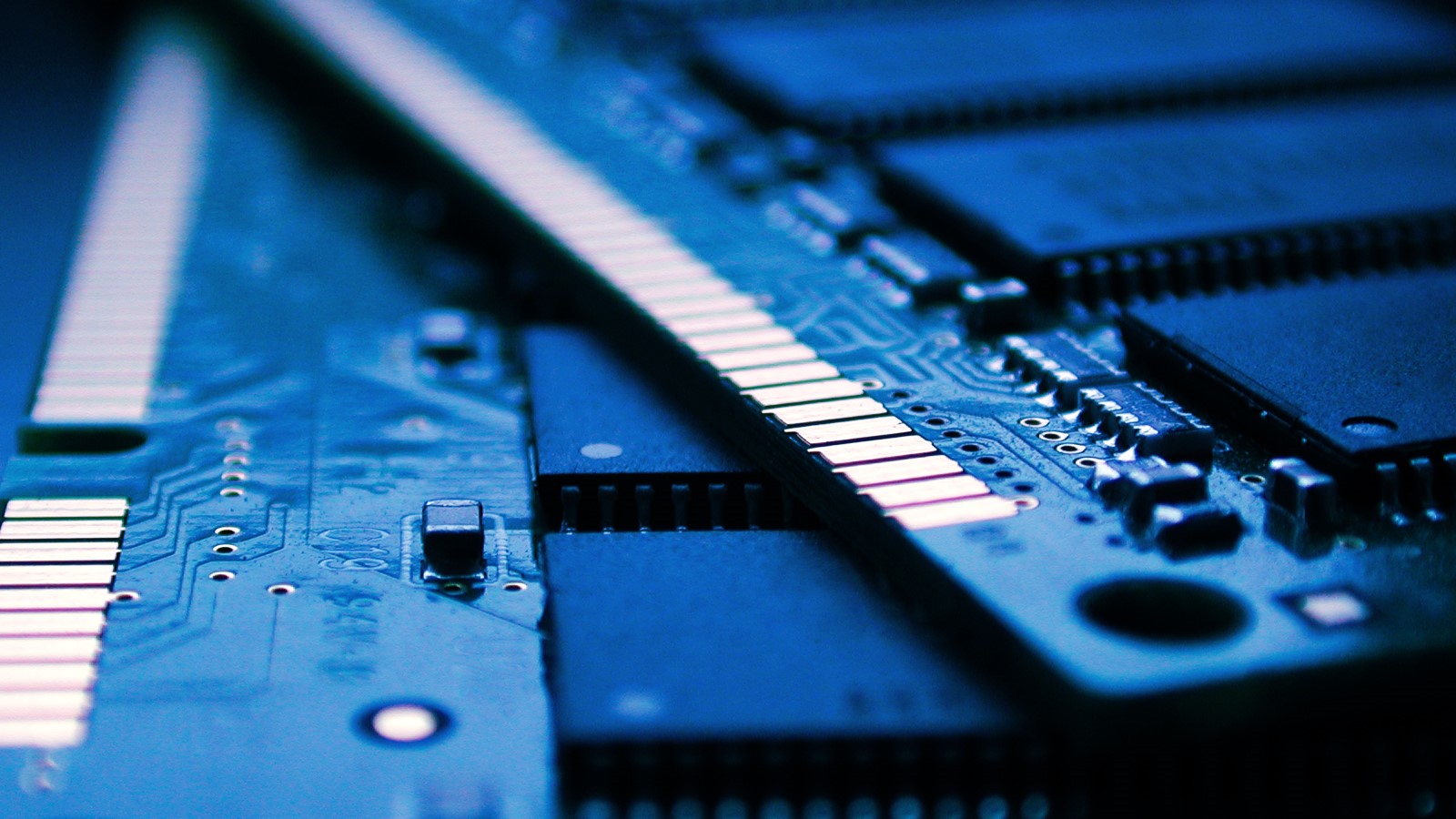

A growing global RAM shortage fueled by surging AI demand could disrupt the tech industry, raising prices and threatening smaller companies. The ripple effects may reshape how devices are built, sold, and used worldwide.
The global technology industry is facing a looming challenge that could ripple across everything from smartphones to supercomputers: a severe shortage of RAM memory chips. According to warnings from Pua Khein-Seng, CEO of Phison Electronics, the ongoing squeeze on DRAM supply could force companies to cut products, delay launches, or even exit the market by the second half of 2026.
While chip shortages are not new to the tech world, this situation is different in scale and cause. The explosive rise of artificial intelligence — especially AI-driven data centers and high-performance computing — is consuming an unprecedented share of global memory production. At the same time, the structure of the semiconductor industry limits how quickly supply can expand.
This blog explores the roots of the RAM shortage, its impact on businesses and consumers, and how it could permanently reshape the technology landscape.
Understanding RAM and Why It Matters
Random Access Memory (RAM), particularly DRAM (Dynamic Random Access Memory), is a foundational component of modern computing. It temporarily stores the data that processors need to access quickly, enabling everything from app multitasking on smartphones to large-scale AI model training.
Without sufficient RAM, devices slow down, applications become unstable, and performance suffers. For companies building hardware, memory is not optional — it is essential infrastructure.
As devices become more powerful and AI workloads more demanding, the appetite for memory grows. AI systems require enormous datasets to be processed in real time, and that processing depends heavily on high-capacity, high-speed RAM.
This rising demand has collided with a supply chain that cannot easily scale overnight.
The AI Boom and Its Hunger for Memory
Artificial intelligence has become the primary driver of the RAM shortage. Training and running advanced AI models requires vast computing infrastructure packed with high-end memory modules.
Data centers dedicated to AI workloads consume far more RAM per server than traditional facilities. As companies race to build larger AI clusters, they are absorbing a disproportionate share of the world’s DRAM output.
This demand spike is not temporary. AI adoption is accelerating across industries — from finance and healthcare to logistics and entertainment. Each new deployment increases the strain on memory supply.
The result is a market where AI infrastructure effectively competes with consumer electronics for the same critical components.
A Concentrated Supply Chain
The DRAM industry is dominated by a small number of manufacturers. Building advanced memory fabrication plants requires billions of dollars in investment, specialized expertise, and years of construction.
Because of this high barrier to entry, only a handful of companies control most global production. When demand surges unexpectedly, there is limited flexibility to ramp up output quickly.
This concentration creates vulnerability. Any imbalance between supply and demand can trigger dramatic price swings. Recent months have already seen memory prices climb sharply, reflecting the tightening market.
For smaller companies without long-term supply contracts, these price increases can be devastating.
Who Faces the Greatest Risk?
The RAM shortage does not affect all players equally. Large technology corporations often secure supply through long-term agreements and deep financial reserves. Smaller firms lack that leverage.
Small and Mid-Sized Tech Companies
Startups and mid-tier manufacturers may struggle to obtain sufficient memory at sustainable prices. If they cannot secure components, product development stalls. In extreme cases, companies may cancel entire product lines or shut down operations.
Consumer Electronics Makers
Producers of smartphones, PCs, televisions, and smart home devices depend heavily on affordable RAM. Rising costs squeeze profit margins and force difficult decisions about pricing and features.
Some companies may release stripped-down models with less memory to stay competitive. Others might delay launches until supply stabilizes.
The Ripple Effects on Consumers
For everyday consumers, the RAM crunch could translate into higher prices and fewer choices.
Devices that once benefited from rapid performance improvements may see slower upgrade cycles. Manufacturers facing higher component costs will likely pass some of those expenses to buyers.
Consumers may respond by holding onto existing devices longer. Repair and refurbishment markets could grow as people seek cost-effective alternatives to replacement.
This behavioral shift would mark a departure from the rapid upgrade culture that has defined consumer electronics for decades.
Pressure on Major Brands
Even industry giants are not immune. While large corporations have stronger supply chains, they still compete in the same constrained market.
Flagship product releases could be delayed, and premium devices may carry higher price tags. Companies might prioritize their most profitable product lines, reducing diversity in their offerings.
This prioritization could reshape competitive dynamics, favoring firms with the strongest supplier relationships.
Innovation Under Constraint
Shortages often spur innovation. Faced with limited memory availability, engineers may explore more efficient software design and alternative hardware architectures.
Optimizing applications to use less memory could become a priority. Advances in compression techniques and memory management may reduce dependence on raw hardware capacity.
At the same time, companies may invest in research aimed at developing next-generation memory technologies that offer higher density and efficiency.
While these innovations will not solve the immediate shortage, they could influence the long-term trajectory of computing.
Geopolitical and Economic Dimensions

The semiconductor industry sits at the intersection of technology and geopolitics. Governments worldwide recognize the strategic importance of chip manufacturing.
The RAM shortage may intensify efforts to localize semiconductor production. Countries could accelerate investments in domestic fabrication facilities to reduce reliance on concentrated supply chains.
Such initiatives require time and substantial funding, but they reflect a broader shift toward technological self-sufficiency.
Economically, prolonged shortages could dampen growth in sectors dependent on affordable electronics. Higher device costs may slow consumer spending and affect global markets.
Environmental Considerations
Expanding semiconductor production is energy-intensive and resource-heavy. New fabrication plants consume significant electricity and water.
Balancing the need for increased supply with environmental sustainability presents another challenge. Policymakers and industry leaders must consider how to scale production responsibly.
At the same time, longer device lifespans — driven by consumer repair trends — could reduce electronic waste, offering an unexpected environmental benefit.
Possible Paths Forward
Addressing the RAM shortage requires coordinated action across the industry.
Expanding Production Capacity
Manufacturers are likely to invest in new fabrication facilities, though these projects take years to complete. Strategic partnerships and government incentives may accelerate development.
Diversifying Supply Chains
Encouraging competition and geographic diversity in memory production can reduce vulnerability to future shortages.
Improving Efficiency
Software and hardware innovations that maximize memory efficiency can ease pressure on supply.
Strengthening Collaboration
Industry-wide cooperation — including shared forecasting and transparent communication — can help stabilize markets.
A Turning Point for the Tech Industry
The RAM shortage is more than a temporary disruption. It highlights the fragility of modern technology supply chains and the growing influence of AI on global resource allocation.
If unresolved, the shortage could reshape product strategies, consumer behavior, and competitive dynamics. Companies that adapt quickly will be better positioned to navigate the transition.
For consumers, the era of effortless hardware abundance may give way to a more measured approach to technology consumption.
Conclusion: Navigating an Uncertain Memory Future
The warning from Pua Khein-Seng underscores a critical moment for the technology sector. As AI continues to expand, its appetite for memory challenges the existing balance of supply and demand.
The consequences extend beyond price fluctuations. They touch innovation, competition, sustainability, and global economic stability.
While the industry has weathered shortages before, the scale of the current RAM crunch demands proactive solutions. Investment in capacity, efficiency, and collaboration will determine whether the tech ecosystem emerges stronger or faces prolonged disruption.
In the end, the RAM shortage serves as a reminder that even in a digital age defined by rapid progress, physical resources remain a limiting factor. How the industry responds will shape the future of computing for years to come.


 Travel
  Studies
  Food
Food  Fashion
  Technology
  Health





All Comments (0)