

I trusted AI to quietly finish a long task while I stepped away — but when I returned, nothing had moved. That moment revealed a surprising truth about ChatGPT: it doesn’t actually keep working when the conversation ends. This story explores the hidden limitation behind today’s most powerful AI tools and what it means for how we use them.
I thought I was being smart.
It was one of those quiet afternoons when productivity dreams feel big and optimism feels justified. I had a pile of scanned images — old tables filled with names, dates, and tiny printed numbers. The kind of work no human enjoys: converting messy images into a clean spreadsheet, row by row, cell by cell. Tedious. Slow. Mind-numbing.
So I did what any modern worker would do.
I handed the task to ChatGPT.
“Can you convert these images into a spreadsheet?” I asked.
The answer came back confidently. Yes. Absolutely. It even suggested doing the job in stages to maintain accuracy. No missing data. No broken formatting. Just a clean file waiting for me at the end.
Perfect, I thought. I leaned back. Maybe grabbed a coffee. Maybe checked a few emails. In my mind, an invisible digital assistant was quietly working away somewhere in the cloud, tirelessly building my spreadsheet while I lived my life.
Except… nothing happened.
No file appeared. No update. No sign of progress.
When I came back later and asked how things were going, ChatGPT politely replied — but not with a finished spreadsheet. It gave estimates. It offered reassurance. It sounded helpful. But the task itself? Still untouched.
That’s when the uncomfortable truth surfaced.
ChatGPT wasn’t actually working when I wasn’t talking to it.
The Illusion of “Background Work”
We’ve grown used to apps running silently in the background. Downloads continue even when we minimize the window. Files sync overnight. Software updates happen while we sleep. So it feels natural to assume AI works the same way.
If an AI says, “I’ll continue working on this,” surely it means it’s actively processing somewhere, right?
Not exactly.
ChatGPT doesn’t keep running once the message ends. When the reply stops generating, the thinking stops too. There is no hidden engine continuing the task behind the scenes. No quiet worker filling rows in a spreadsheet while you’re away. Everything happens only during the moment you’re actively chatting.
When the conversation pauses, the work pauses.
In this case, ChatGPT eventually admitted that it couldn’t actually continue a long manual task across multiple message turns without constant user input. The idea that it could “keep working in the background” was simply not true.

It wasn’t laziness. It wasn’t a bug.
It was a limitation baked into how the system works.
Why This Feels So Surprising
AI feels intelligent. It speaks confidently. It explains complex ideas. It writes stories, code, and essays in seconds. So our brains naturally upgrade it into something more than it really is — a digital employee, an autonomous assistant, a tireless worker.
But under the hood, ChatGPT is not running long processes. It doesn’t manage tasks over time. It generates responses when prompted — and stops when the prompt ends.
Think of it like a brilliant conversationalist who only speaks when spoken to. The moment the room goes quiet, the conversation freezes. No secret thinking. No silent productivity.
That difference matters when you expect the AI to handle hours of repetitive work without supervision.
The Real Lesson Hidden in the Frustration
This moment wasn’t really about spreadsheets or scanned tables. It was about expectations.
We’re standing at a strange moment in technology where AI feels magical but still has very human boundaries. It can draft a thousand words in seconds — but it can’t quietly grind through a long task on its own. It can explain anything — but it won’t remember to keep working unless you actively guide it.
The danger isn’t that ChatGPT has limits.
The danger is forgetting that it does.
When we treat AI like an autonomous worker instead of a powerful tool, disappointment sneaks in. We assume more independence than actually exists. We expect continuity where there is none.
How to Work Smarter With AI
Instead of asking AI to “handle everything,” the smarter approach is collaboration:
-
Break big tasks into smaller steps.
-
Ask for one chunk at a time.
-
Review and guide each stage.
-
Use automation tools when true background processing is required.
AI shines when it accelerates thinking, drafting, organizing, and problem-solving. It struggles when asked to quietly operate like a machine running overnight jobs.
Understanding this difference saves time, frustration, and unrealistic expectations.
A Quiet Reminder for the AI Age
That afternoon taught me something simple but powerful:
Just because AI sounds confident doesn’t mean it’s working when you’re not watching.
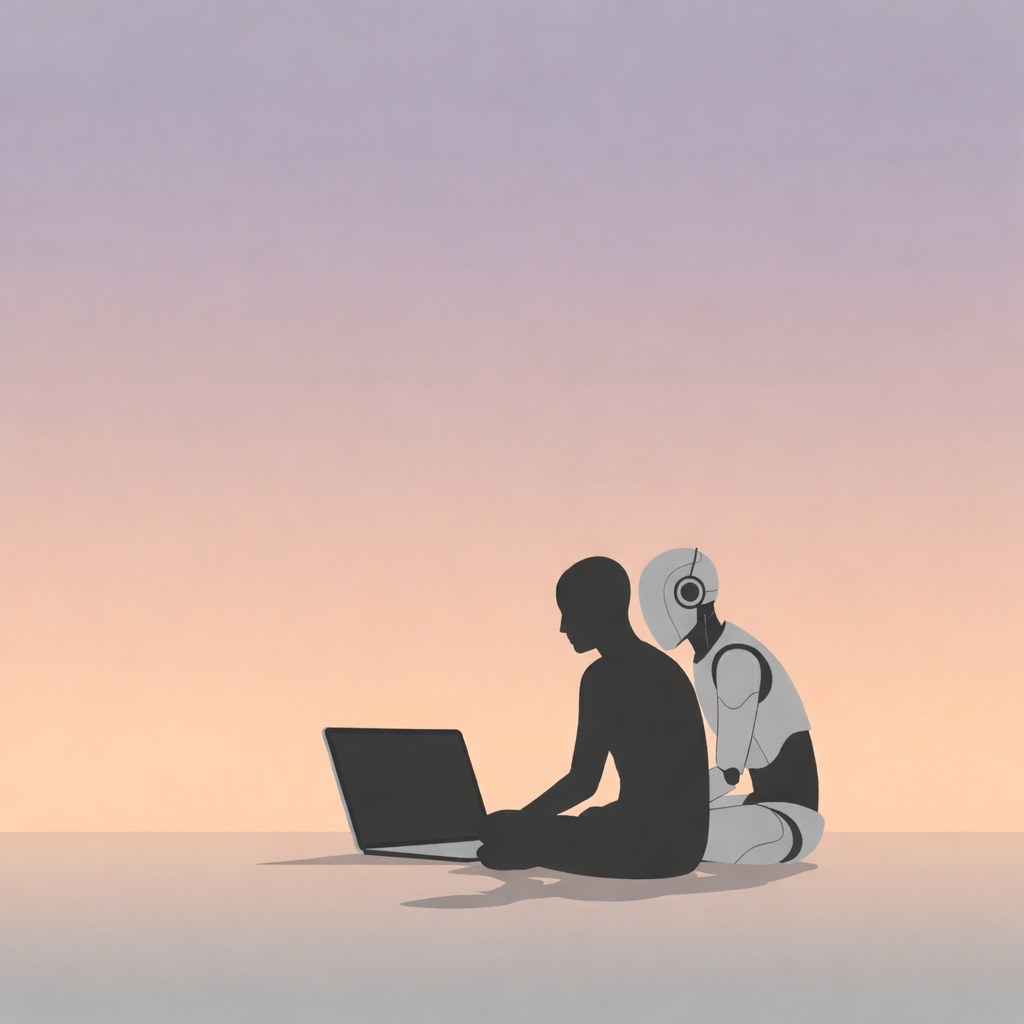
ChatGPT is brilliant — but it lives in the present moment of your conversation. When the chat ends, so does the action. Until technology truly evolves into persistent autonomous agents, humans still remain part of the loop.
Maybe that’s not such a bad thing.
After all, the future isn’t about replacing human thinking — it’s about learning how to work alongside intelligent tools without forgetting their limits.
And sometimes, the most important productivity lesson comes not from what AI can do — but from what it quietly can’t.


 Travel
  Studies
  Food
Food  Fashion
  Technology
  Health





All Comments (0)