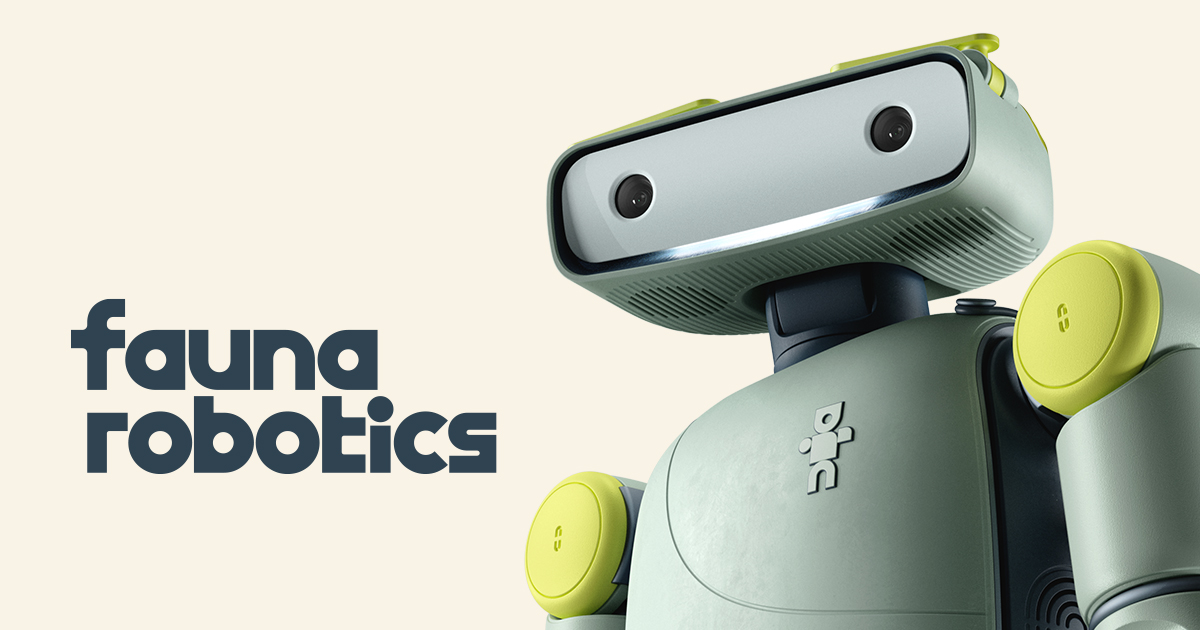

Sprout is a humanoid robot designed not to impress, but to connect. Built for research, it explores how robots can quietly earn human trust.
What if the future of robots isn’t intimidating, metallic, or cold — but friendly, curious, and quietly learning beside us?
That question sits at the heart of Sprout, the new humanoid research robot from Fauna Robotics. And once you meet Sprout, it becomes clear: this isn’t a sci?fi prop or a viral concept video. It’s a real robot, built carefully, thoughtfully, and with humans — especially everyday humans — in mind.
A Robot That Doesn’t Try to Scare You
The first thing you notice about Sprout is what it doesn’t do.
It doesn’t loom. It doesn’t bristle with exposed wires. It doesn’t move like it’s auditioning for a dystopian movie.
Instead, Sprout feels… approachable.
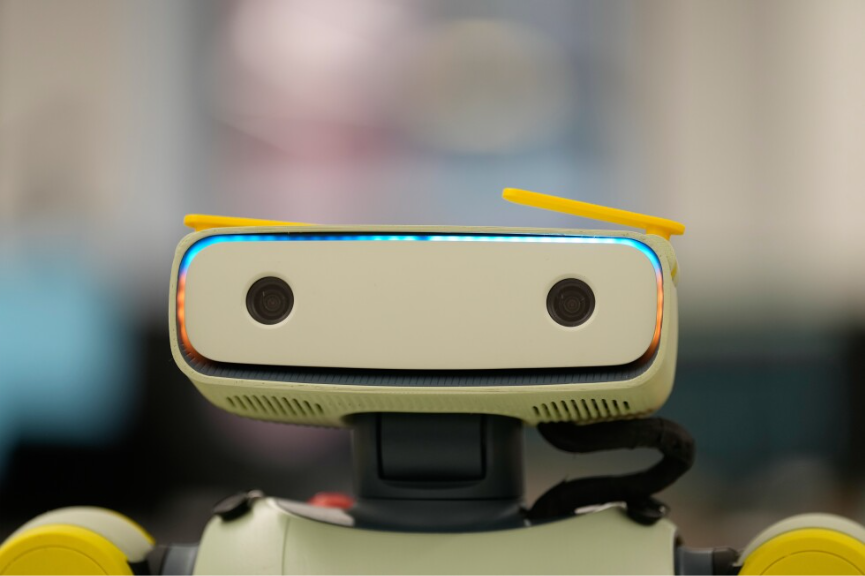
With its soft pastel body, rounded edges, and expressive camera?eyes, Sprout looks more like a friendly helper than a machine. In one of the early development moments, a child gently places a party hat on Sprout’s head — and somehow, it doesn’t feel strange.
It feels natural.
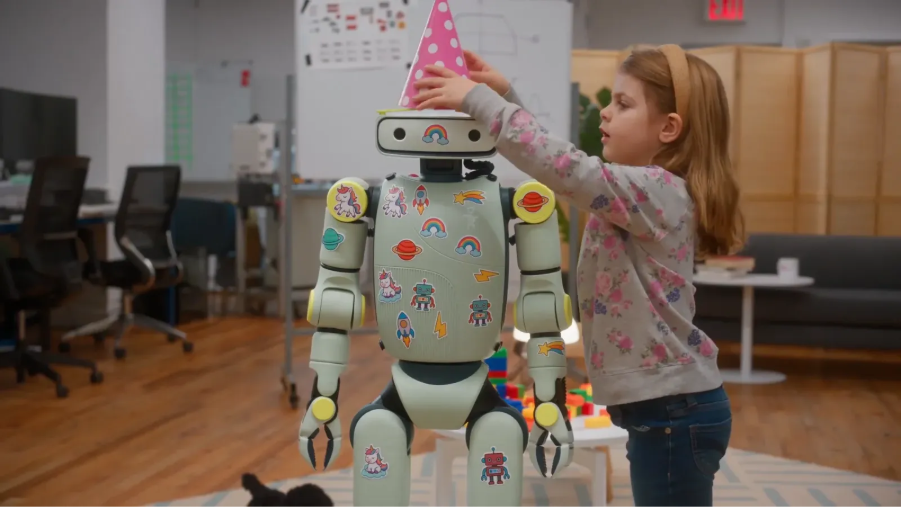
That moment captures Fauna Robotics’ core philosophy: robots should earn trust before they demonstrate intelligence.
Why Fauna Robotics Built Sprout
Fauna Robotics isn’t trying to sell Sprout as a household product — at least not yet.
Sprout is a research platform.
Its mission is to help scientists, engineers, and designers understand how humans naturally interact with humanoid robots in real spaces — offices, labs, classrooms, and shared environments.
Rather than starting with maximum capability, Fauna chose to start with:
-
Safe physical interaction
-
Clear emotional signals
-
Predictable movement
-
Human?friendly proportions
The idea is simple but powerful: before robots become smarter, they must become socially understandable.
Built to Learn, Not to Perform
Sprout isn’t here to show off backflips or superhuman strength.
It’s here to observe. To listen. To learn how humans behave around it.
Its head contains cameras and sensors that allow it to track faces, notice gestures, and respond to nearby movement. Its arms and joints are designed to move slowly and deliberately, minimizing risk and maximizing comfort.
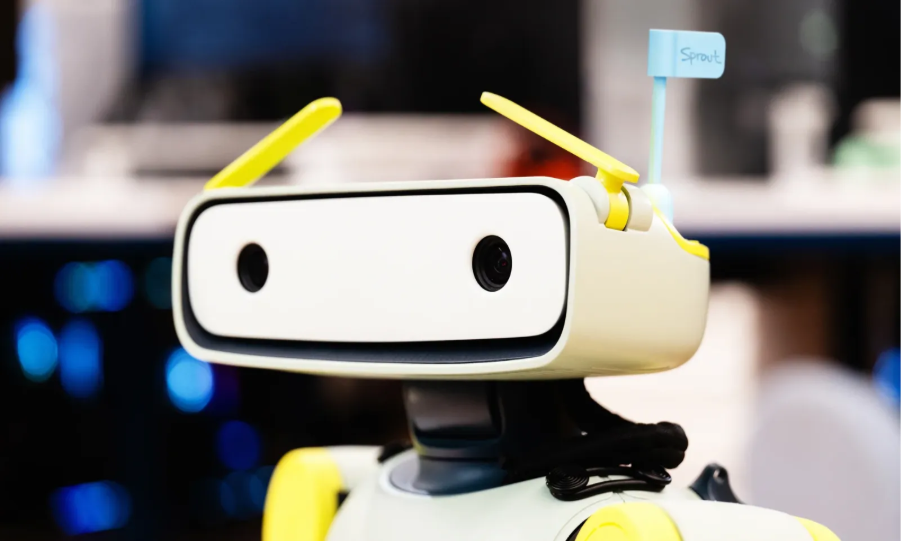
Every design decision points to one goal: making human–robot interaction feel intuitive instead of awkward.
A Humanoid That Fits Into Human Spaces
One of Sprout’s most interesting design choices is its size.
It’s small enough to share a room without dominating it. Tall enough to feel present. Light enough to be moved safely.
In development labs, Sprout sits, stands, and waits — not unlike a human colleague pausing between tasks.
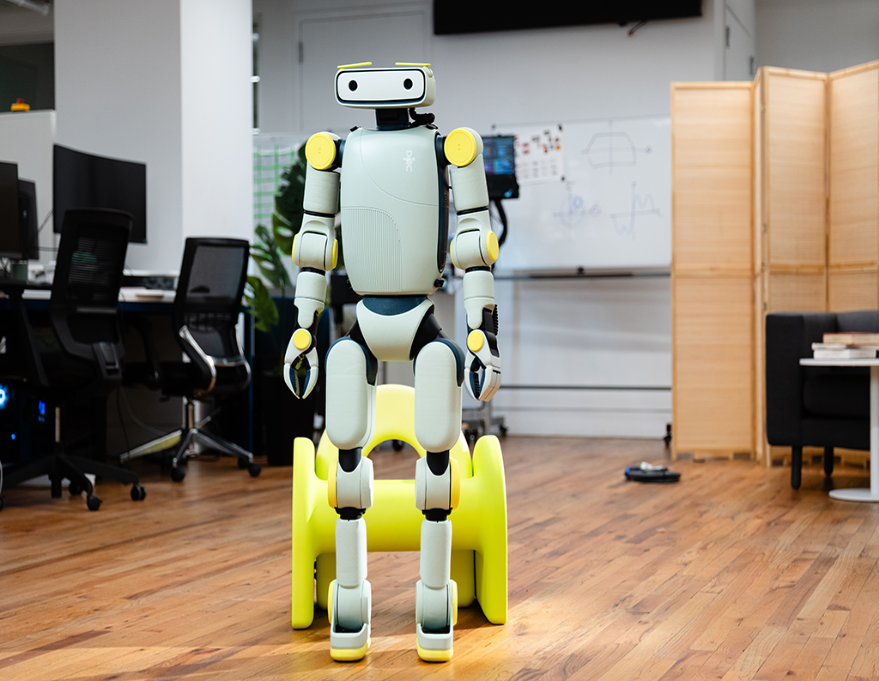
This matters because the future of robotics won’t happen in factories alone. It will unfold in shared spaces — offices, hospitals, schools, and homes.
Sprout is designed for those spaces, not against them.
Why This Moment Matters
We’ve spent years imagining robots as either:
-
Industrial machines
-
Military tools
-
Or science?fiction threats
Sprout offers a different vision.
One where robots are:
-
Calm
-
Understandable
-
Designed around human comfort
That doesn’t mean intelligence isn’t coming. It means intelligence is being introduced carefully.
Fauna Robotics is asking an important question: What if the future of robotics is built on empathy before efficiency?
The Bigger Picture
Sprout isn’t the end goal.
It’s the beginning.
The insights gathered from Sprout’s interactions will shape how future robots:
-
Move around humans
-
Communicate intent
-
Respect personal space
-
Earn trust over time
And in a world where AI and robotics are accelerating rapidly, that human?first approach may be exactly what we need.
Final Thoughts
Sprout doesn’t shout about the future.
It quietly sits in the room. Observes. Learns. Waits.
And maybe that’s the most radical idea of all.
Because the robots that truly change our lives won’t arrive with flashing lights or grand announcements.
They’ll arrive gently.
Just like Sprout.


 Travel
  Studies
  Food
Food  Fashion
  Technology
  Health





All Comments (0)