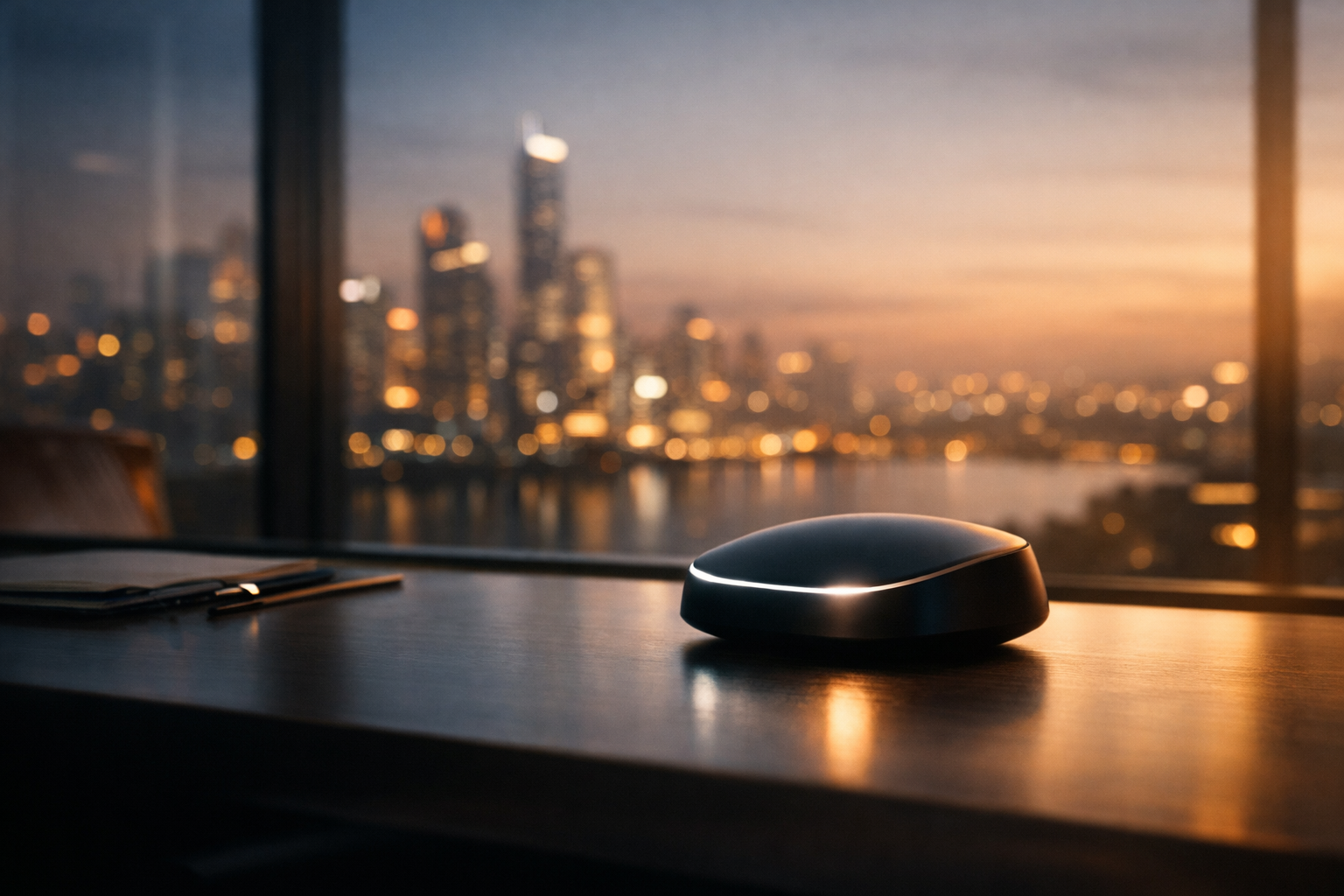

OpenAI is stepping beyond software and into the world of hardware with its first-ever AI device, expected in 2026. With legendary designers involved and big questions around how we’ll interact with technology, this could mark the beginning of a whole new era for artificial intelligence.
Sometimes tech news feels repetitive. Faster phones. Better cameras. Another software update. You scroll, nod, and move on.
But every now and then, a headline hits differently.
That happened to me when I read that OpenAI is working on its first-ever AI device, expected to launch in the second half of 2026. Not an app. Not a plugin. An actual physical product.
And suddenly, my imagination went into overdrive.
From Screens to Something New
Think about how we interact with technology today. We tap screens. Swipe endlessly. Jump between apps. Even when we use voice assistants, it still feels… limited.
Now imagine a device built from the ground up for AI — not squeezed into a phone interface, but designed to feel natural, fast, and intuitive. That’s what excites me most.
This isn’t about adding more features. It’s about changing how we use technology altogether.
The Design Power Behind the Idea
Here’s the part that really caught my attention: Jony Ive is involved in shaping this product. If that name sounds familiar, it’s because he helped design some of Apple’s most iconic products — the iPhone, MacBook, iMac — devices that literally shaped modern tech culture.

And now, OpenAI has added another former Apple designer to the team.
That tells me one thing: this device won’t just be smart — it’s meant to feel beautiful, simple, and human.
Because great technology isn’t just about power. It’s about how it makes you feel when you use it.
Nobody Knows What It Looks Like — And That’s Fun
OpenAI is keeping the details secret for now, which makes the whole thing even more intriguing.
Is it wearable? Is it voice-first? Does it even have a screen? Could it sit on your desk like a personal assistant or travel with you like a companion?
Honestly, I love the mystery. It feels like the early days of smartphones again — when nobody quite knew what was coming next.
Why This Could Be Bigger Than We Expect
If this device succeeds, it could redefine our relationship with AI. Instead of opening apps and typing prompts, we might interact naturally — asking questions, organizing our lives, learning, creating, and exploring ideas in real time.
That could make AI more accessible, especially for people who don’t feel comfortable with complex technology.
And that’s powerful.
But Let’s Stay Realistic
Of course, not everything is guaranteed.
Hardware is hard. User trust matters. Privacy concerns will be huge. Pricing will matter. Real-world usefulness will decide everything.
Big ideas don’t always translate into great products.
Still… the ambition alone is exciting.
Why I’m Personally Looking Forward to It
I love watching moments when technology shifts direction. This feels like one of those moments.
A future where AI isn’t hidden inside apps — but becomes a natural extension of daily life — feels closer than ever.
2026 might sound far away, but honestly, time flies in tech. And I can’t wait to see what OpenAI reveals next.
Because if they get this right… we may be witnessing the birth of an entirely new category of devices.
And that’s the kind of future I love writing about.


 Travel
  Studies
  Food
Food  Fashion
  Technology
  Health




All Comments (0)