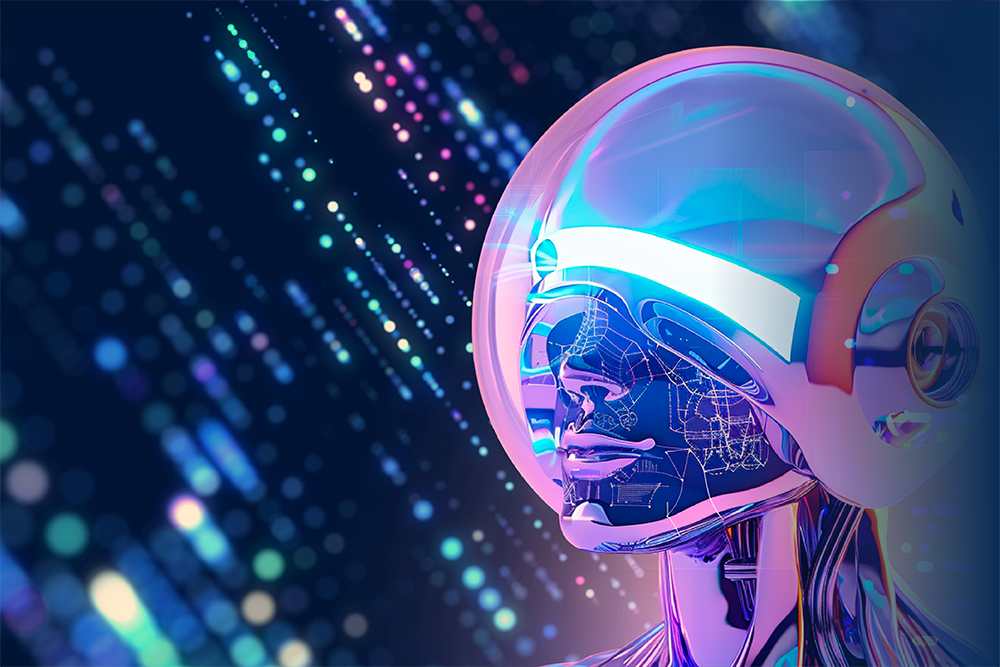

Meta says personal AI agents are the next major evolution in artificial intelligence, moving beyond chatbots to proactive digital assistants that can plan, act, and collaborate with users.
Artificial intelligence is entering a new chapter. After years of rapid progress in chatbots and generative models, the industry is now shifting toward something more ambitious: personal AI agents. At the India AI Impact Summit 2026, Meta’s Chief AI Officer Alexandr Wang described personal agents as the next massive leap and opportunity in AI — a development that could fundamentally change how humans interact with technology.
This vision goes beyond today’s chat-based assistants. Instead of waiting for commands and responding to prompts, personal AI agents are designed to act proactively, understand long-term goals, and perform complex tasks on behalf of users. If realized at scale, this shift could transform productivity, communication, and daily digital life.
This article explores what personal AI agents are, why Meta believes they represent the future of AI, and how they could reshape society, business, and the global technology landscape.
From Chatbots to Agents: The Evolution of AI
The past few years have been dominated by conversational AI. Tools like ChatGPT demonstrated that machines can generate human-like text, answer questions, and assist with creative tasks. These systems marked a turning point by making AI accessible to the public.
However, most current AI tools are reactive. They respond when prompted but rarely initiate actions independently. Personal AI agents aim to close that gap by introducing autonomy.
An AI agent is not just a chatbot. It is a system capable of:
-
Understanding a user’s preferences and habits
-
Planning multi-step actions
-
Interacting with digital services
-
Learning from ongoing feedback
-
Acting continuously in the background
In essence, personal agents are designed to function more like digital collaborators than simple assistants.
Meta’s Vision for Personal AI Agents
According to Alexandr Wang, personal agents represent an opportunity comparable to previous technological revolutions such as mobile computing and cloud infrastructure. Meta envisions a future where billions of people have AI companions that help manage daily life.
For Meta, this vision aligns naturally with its ecosystem. The company operates some of the world’s largest social and communication platforms. Integrating AI agents into these environments could enable features such as:
-
Automated scheduling and planning
-
Intelligent message drafting
-
Personalized content curation
-
Real-time translation and accessibility support
-
Commerce assistance and digital transactions
Meta believes that India, with its vast population and rapidly growing digital infrastructure, is uniquely positioned to scale these technologies. A large, tech-savvy user base provides fertile ground for experimentation and adoption.
How Personal AI Agents Could Change Daily Life
The promise of personal AI agents lies in their ability to simplify complex workflows. Instead of juggling multiple apps and services, users could rely on a unified AI layer to coordinate tasks.
Smarter Productivity
Imagine an agent that organizes your calendar, prioritizes emails, and prepares meeting summaries automatically. By handling administrative work, AI agents could free users to focus on creative and strategic tasks.
Personalized Learning
Students could benefit from AI tutors that adapt to their learning styles. These agents might track progress over time, recommend resources, and provide targeted feedback.
Enhanced Accessibility
For individuals with disabilities, personal agents could offer real-time assistance — converting speech to text, summarizing information, or navigating digital interfaces.
Everyday Convenience
From booking travel to managing finances, AI agents could act as intermediaries between users and online services, streamlining everyday decisions.
Economic and Business Implications
The rise of personal AI agents is not only a technological story; it is also an economic one. Businesses may adopt agent-based systems to automate customer service, optimize operations, and deliver personalized experiences.
For startups and enterprises, this shift creates new markets:
-
AI infrastructure and platforms
-
Agent development tools
-
Security and privacy solutions
-
Industry-specific AI services
Meta’s emphasis on personal agents signals confidence that this ecosystem will generate significant economic value.
The Challenges Ahead
Despite the excitement, personal AI agents raise important challenges.
Privacy and Data Security
Agents require deep access to personal information. Safeguarding this data is critical to maintaining user trust. Robust encryption, transparent policies, and user control will be essential.
Ethical Considerations
As agents gain autonomy, questions arise about accountability and decision-making. Developers must ensure that AI systems act responsibly and align with human values.
Technical Reliability
Building agents that operate continuously and accurately is a complex engineering task. Reliability, scalability, and resilience will determine real-world success.
Social Impact
Widespread automation may alter job markets and social structures. Policymakers and educators will need to adapt to these changes.
India’s Role in the Agentic Era
Meta’s focus on India highlights the country’s strategic importance in global AI development. With its expanding digital economy and strong developer community, India offers a unique environment for scaling personal agents.
Investments in infrastructure, education, and research could position India as a leader in agent-based innovation. Collaboration between government, academia, and industry will be key to realizing this potential.
The Broader Industry Landscape
Meta is not alone in exploring agentic AI. Across the technology sector, companies are racing to build systems that move beyond conversation into action. This competition is accelerating research in areas such as reinforcement learning, autonomous decision-making, and human-AI collaboration.
The next decade may see AI agents integrated into operating systems, enterprise software, and consumer devices. As these systems mature, they could become as ubiquitous as smartphones.
A New Relationship Between Humans and Machines
Personal AI agents represent more than a technical upgrade; they signal a shift in how humans relate to machines. Instead of tools we operate directly, agents function as partners that share responsibility for tasks.
This partnership raises philosophical questions about autonomy, identity, and trust. How much control should we delegate to machines? How do we preserve human agency while embracing automation?
Answering these questions will shape the cultural acceptance of agentic AI.
Looking Ahead: The Future of Personal Agents
The trajectory of AI suggests that personal agents will become increasingly capable. Advances in reasoning, memory, and multimodal interaction will expand what these systems can achieve.
Future agents may coordinate across devices, collaborate with other agents, and integrate seamlessly into physical environments. They could support scientific research, healthcare delivery, and environmental management.
The long-term vision is an ecosystem where AI enhances human potential rather than replacing it.
Conclusion: A Defining Moment for AI
Meta’s declaration that personal AI agents are the next massive leap reflects a growing consensus that the future of AI lies in autonomy and collaboration. By moving beyond reactive chatbots toward proactive digital partners, the industry is opening new frontiers of possibility.
Success will depend on balancing innovation with responsibility. Privacy, ethics, and inclusivity must guide development. If these challenges are met, personal AI agents could usher in an era where technology works more closely with humans than ever before.
The journey toward agentic AI is just beginning. Yet its implications are already reshaping conversations about productivity, society, and the role of machines in our lives. As Meta and others push forward, the world watches a new chapter of artificial intelligence unfold — one defined not only by smarter algorithms, but by deeper human-machine partnerships.

 Travel
  Studies
  Food
Food  Fashion
  Technology
  Health




All Comments (0)