

Valve’s next-gen Steam Machine, Steam Frame VR headset, and updated controller promised to reshape PC gaming. But a global memory shortage has delayed pricing and launches, revealing how fragile today’s hardware supply chains really are.
In late 2025, Valve — the company that redefined digital PC gaming with Steam and broke hardware barriers with the Steam Deck — teased a new generation of gaming devices: the Steam Machine, the Steam Frame VR headset, and a revamped Steam Controller.
Gamers were thrilled. Communities buzzed with speculation. Tech sites dissected every hint and prototype demonstration.
But as 2026 unfolds, those dreams haven’t solidified into a launch date or a price tag. Valve recently announced that due to a global memory and storage shortage, it cannot yet commit to product pricing or specific release timelines. This comes as a surprise to many fans who expected clear details by now, based on earlier promises.
Instead, Valve has pushed decisions into the future — a situation that reveals deeper forces now shaping the entire hardware industry.
A Trio of Products — Now in Limbo
When Valve first unveiled its new hardware lineup, the company positioned it as a bold step beyond the Steam Deck. Each product promised something distinct:
-
Steam Machine: A console-style PC designed to bring the power and choice of gaming PCs to the living room, with SteamOS at its core and custom AMD hardware for performance.
-
Steam Frame: A standalone VR headset aimed at competing in the fast-evolving virtual reality space.
-
Steam Controller (Updated): A refined input device blending gamepad familiarity with PC-friendly precision.
These announcements ignited excitement. Could Valve finally bridge the gap between PC and console gaming? Might Steam Frame deliver a more open alternative to closed VR ecosystems? Would the new controller redefine hybrid gaming input?
But excitement turned to uncertainty when Valve acknowledged that it could no longer give precise pricing or timelines due to the unpredictable cost and availability of DRAM and SSD components.
Why Memory Matters More Than Ever
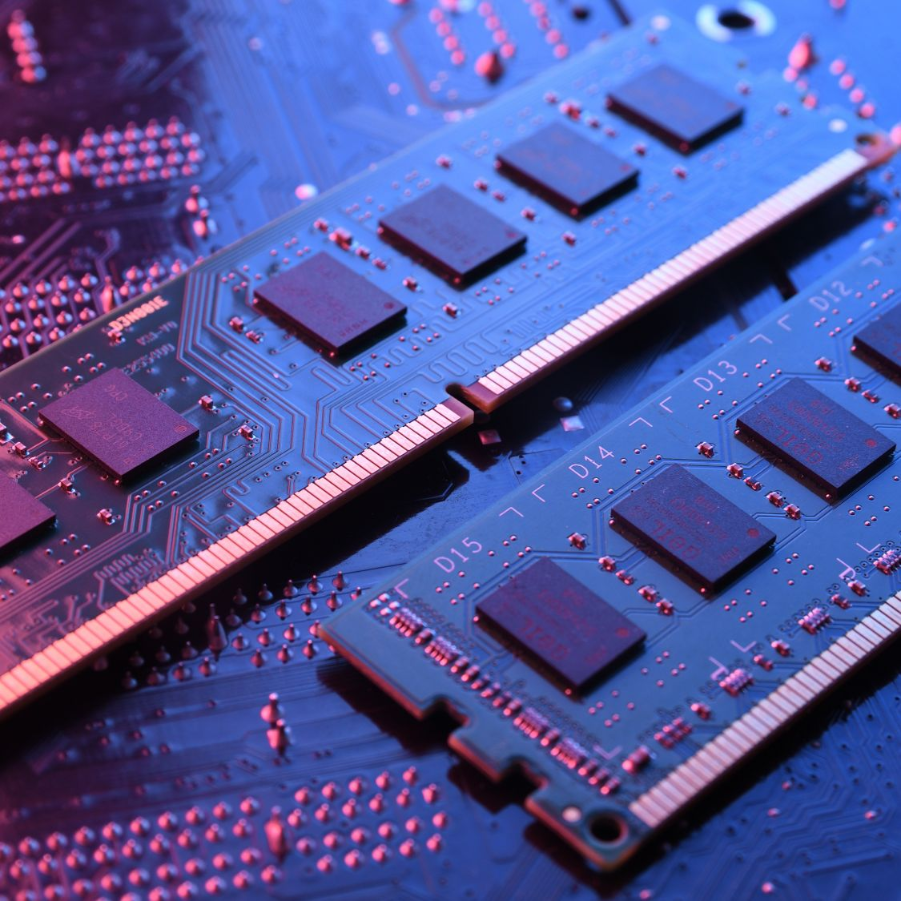
To understand the situation, it helps to step back and look at the global memory market in early 2026.
DRAM (Dynamic Random-Access Memory) and SSD (solid-state storage) are the backbone of modern computing. Every device — from phones and laptops to servers and AI clusters — relies on these components.
What’s changed dramatically in recent years is who is buying memory.
As artificial intelligence workloads have exploded, companies building AI infrastructure — from big tech to cloud providers — have placed huge orders for memory and storage. These orders often prioritize enterprise supply channels and long-term contracts, leaving consumer markets with tighter availability and higher prices.
For a device like the Steam Machine that aims to deliver cutting-edge gaming performance, memory isn’t just another part — it’s essential. Modern AAA games demand substantial RAM and fast storage for loading worlds, streaming assets, and enabling smooth frame rates. Without reliable access to these components at competitive prices, manufacturers struggle to set a realistic retail price.
This is exactly where Valve finds itself.
The company announced that memory and storage shortages have worsened since the initial hardware reveal, making it impossible to confidently determine pricing or production schedules. Valve now says it is working through these challenges before providing concrete details — effectively postponing firm commitments.
Pricing Uncertainty and Market Expectations
One of the most frustrating aspects for fans is that Valve originally expected to share price information by now.
When the hardware lineup was revealed, the assumption — widely shared by analysts — was that Valve would declare MSRPs and launch dates by early 2026. Instead, the company has publicly admitted it needs more time to understand component pricing pressures before setting prices that won’t feel out of step with consumer expectations.
This situation highlights something crucial about hardware economics: in volatile markets, sometimes the risk of overpricing beats the risk of underpricing.
If Valve released the Steam Machine with high MSRP just to ship on schedule, it might face backlash from consumers comparing it to custom rigs or competitor consoles. Conversely, delaying until pricing stabilizes could help Valve avoid launching with inflated costs that feel unfair or uncompetitive.
Either approach has trade-offs, and Valve seems to be choosing cautious strategy over rushed execution.
The Hardware Supply Chain in 2026
Valve’s situation is not unique. Across 2025–2026, a range of hardware makers — from boutique PC builders to major console manufacturers — have grappled with similar disruptions:
-
Memory pricing volatility: Prices for DRAM and high-capacity SSDs have seen sudden increases due to demand from AI and enterprise data centers.
-
Allocation shifts: Manufacturers sometimes prioritize large institutional buyers over consumer channels.
-
Logistics bottlenecks: Shipping delays and tariff pressures have affected component delivery timelines.
Many companies expected supply chain normalization after pandemic-era disruptions. But the rise of AI and sustained demand has extended those pressures into the present day.
For Valve, this means uncertainty not just about cost, but also about how long shortages will persist and whether consumer memory supply improves in a meaningful way.
What This Means for Gamers
The impact of Valve’s decision extends beyond disappointed launch timelines.
Here are several ways gamers and the broader community are affected:
1. Longer wait for next-gen Steam Hardware
Gamers who were planning to upgrade to a Steam Machine or adopt the Steam Frame may now face delays into the middle or end of 2026 — possibly even later if market conditions don’t improve.
Instead of specific quarters or dates, Valve’s earlier message now reads more like a general assurance that the first half of 2026 is still the aim, but not guaranteed.
2. Pricing Comparisons to Competitors
Without firm prices, early comparisons to consoles like PlayStation 5, Xbox Series X, and Steam Deck variants remain speculative. Analysts wonder whether Valve will aim for console-competitive pricing or position the Steam Machine closer to high-end PC performance tiers — a difference that could significantly affect market adoption.
3. VR Ecosystem Implications
For VR hardware like Steam Frame, pricing is especially critical. The VR market has matured, but it remains sensitive to price versus performance comparisons. A delayed launch with uncertain pricing might give competitors time to refine their ecosystems and leverage market momentum.
4. Accessory Sales and Peripheral Ecosystems
Valve’s controller redesign also faces uncertainty. High-quality peripherals often depend on predictable hardware launches to stimulate ecosystem sales. With the base machines delayed, third-party accessory adoption might slow accordingly.
Community Reaction — From Hopeful to Frustrated
When Valve first announced the hardware packages, fans celebrated the promise of:
-
A more open alternative to proprietary consoles
-
Native Steam library support in living room environments
-
A powerful new VR entry with cross-platform appeal
But reactions have shifted since the pricing ambiguity emerged.
On forums and social platforms, voices range from:
-
Optimistic supporters praising Valve’s caution — “Better pricing late than overpriced now.”
-
Pragmatic analysts noting supply chain realities
-
Frustrated fans lamenting yet another Valve delay (often humorously referred to as “Valve Time”)
While some gamers are willing to wait, others express concern that too much delay could erode hype momentum or allow competitors to gain headway in VR and living-room gaming experiences.
Industry Perspectives — Why It Matters
Valve’s decision sheds light on broader dynamics in hardware innovation:
Supply Chain Realities Shape Innovation
The dream of ambitious gaming hardware isn’t limited by imagination — it’s constrained by global economics and production realities. The intersection of component scarcity and shifting demand has become a defining factor in launching next-generation devices.
AI vs Consumer Tech — A Tug of War
The memory shortage that affects Valve also reflects the broader influence of artificial intelligence infrastructure demand. As AI systems require massive pools of memory and storage, they drive up prices and pull supply away from consumer markets. This competition between enterprise and consumer demand represents a new normal in tech supply chains.
Long-term Strategy vs Short-term Hype
Valve’s measured response contrasts with companies that rush products to market. While it may disappoint some early adopters, it could protect Valve’s reputation for delivering quality experiences rather than underwhelming hardware at steep prices.
What’s Next — A Timeline
At this stage, Valve retains its target of the first half of 2026, but with an important caveat: no specific quarter or price point is guaranteed.
Gamers should expect:
-
Quarterly updates from Valve — as memory and storage market data evolves
-
Prototype refinements and performance benchmarks — before pricing is locked
-
Possible pre-orders once key parts are secured
-
Industry comparison benchmarks once hardware specs are finalized
The rollout strategy may also reflect how much Valve decides to absorb cost versus passing it to consumers.
Conclusion — A New Reality for Hardware Launches
Valve’s hardware delay highlights a deeper shift in how tech products come to market.
In 2026, hardware innovation isn’t just about engineering excellence — it’s about navigating unpredictable supply chains, global demand shifts, and volatile component markets.
For gamers, this means patience and caution. While the Steam Machine, Steam Frame, and updated Steam Controller still hold promise, their launch will reflect economic realities as much as design ambition.
Valve’s decision to delay pricing and release details may be frustrating in the short term, but it also signals a commitment to delivering products that make sense in both performance and value.
In an age where consumers can choose from powerful consoles, flexible PCs, and evolving VR experiences, timing and pricing matter just as much as power and innovation.
And in that context, Valve’s cautious step back may be just as important as its next step forward.


 Travel
  Studies
  Food
Food  Fashion
  Technology
  Health




All Comments (0)