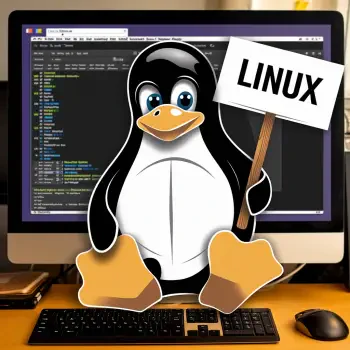

The Linux terminal isn’t just a command line — it’s a gateway to complete control over your system. From automation to hacking productivity, it transforms complex tasks into powerful one-line commands.
For decades, Linux has been celebrated as the operating system of freedom — open-source, customizable, secure, and loved by developers around the world.
But when one tech journalist tried to return to Linux for everyday work, the experience exposed an uncomfortable truth: power and flexibility don’t always equal usability.
What started as an experiment to simplify computing turned into a lesson about why Linux still struggles to replace Windows and macOS on the modern desktop.
The Dream of Linux: Freedom, Control, and Minimalism
For many people in tech, Linux carries an almost romantic appeal.
It represents:
-
Freedom from big tech ecosystems
-
Full control over your system
-
No forced updates or hidden tracking
-
Lightweight performance
-
Open-source transparency
The promise is simple: your computer should belong to you.
No walled gardens.
No subscriptions.
No corporate lock-in.
Just pure computing.
It’s a powerful idea — and one that has fueled Linux’s dominance in servers, cloud infrastructure, cybersecurity, and development environments.
In fact:
-
Most web servers run Linux
-
Android is Linux-based
-
Supercomputers rely on Linux
-
Developers use Linux daily
So logically, it should be perfect for personal desktops too.
Right?
Not exactly.
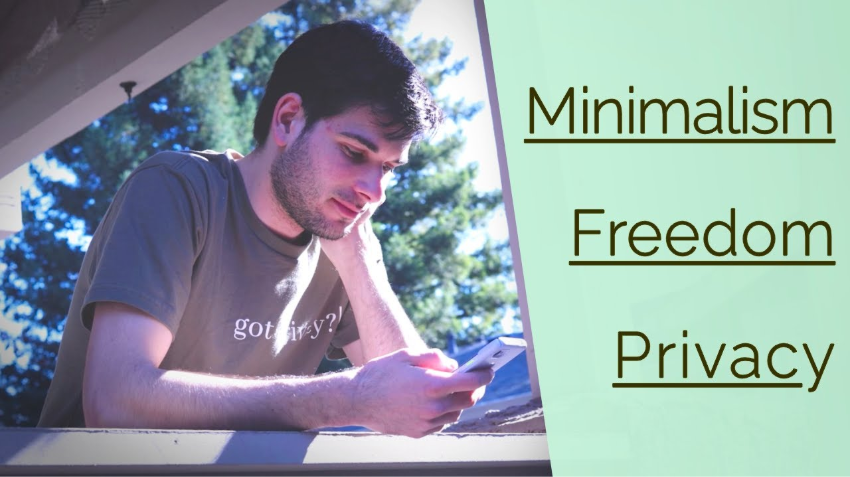
The Experiment: Going Back to Linux
The Verge’s report begins with a relatable premise: what if you ditched macOS or Windows and returned to Linux for everyday life?
The goal wasn’t performance benchmarking or nostalgia.
It was simplicity.
A distraction-free machine.
A focused workspace.
Something lighter and calmer than modern operating systems stuffed with notifications, ads, and bloatware.
Linux seemed ideal.
Install Ubuntu or another friendly distribution, load up a browser and a few apps, and enjoy pure productivity.
At least, that’s the theory.
Reality had other plans.
Where the Cracks Begin to Show
The problems didn’t appear immediately.
At first, everything felt clean.
Fast boot times.
Minimal interface.
No unnecessary pop-ups.
Linux still delivers that refreshing sense of “quiet computing.”
But then daily life started happening.
And that’s when friction appeared.
Not big catastrophic failures — but small, constant annoyances.
The kind that slowly wear you down.
Hardware Support: Linux’s Oldest Weakness
One of the biggest challenges was hardware compatibility.
Linux has improved enormously over the years, but it still struggles with plug-and-play reliability compared to macOS or Windows.
Common issues included:
-
Wi-Fi drivers needing manual setup
-
Trackpad gestures behaving inconsistently
-
External displays not configuring correctly
-
Sleep and wake glitches
-
Battery drain problems
None of these were impossible to fix.
But they required effort.
And that’s the key difference.
On macOS or Windows, things just work.
On Linux, things often work… after troubleshooting.
That extra step matters more than we admit.
Because most people don’t want to debug their laptop.
They just want to use it.
Software Compatibility: Death by a Thousand Cuts
Next came software.
Modern workflows rely on specific apps:
-
Slack
-
Zoom
-
Adobe tools
-
Microsoft Office
-
Creative software
-
Corporate VPN clients
-
Specialized work platforms
While many Linux alternatives exist, they’re not always identical.
And “almost as good” isn’t always good enough.
Some apps run through web versions.
Others require workarounds.
Some simply don’t exist.
Even when replacements work, they add friction:
Different shortcuts.
Missing features.
File compatibility quirks.
Small inconveniences stack up.
Over time, you start missing the seamlessness of mainstream systems.
The Hidden Cost of Tinkering
Linux users often say:
“If something breaks, you can fix it.”
And they’re right.
But that’s both a strength and a weakness.
Because fixing takes time.
Time spent:
-
Searching forums
-
Copying terminal commands
-
Editing config files
-
Testing drivers
For hobbyists, that’s fun.
For professionals trying to meet deadlines, it’s exhausting.
When your laptop becomes a project instead of a tool, productivity suffers.
The Verge’s writer realized something important:
They didn’t want to maintain their computer.
They just wanted to do their work.
The Terminal Paradox
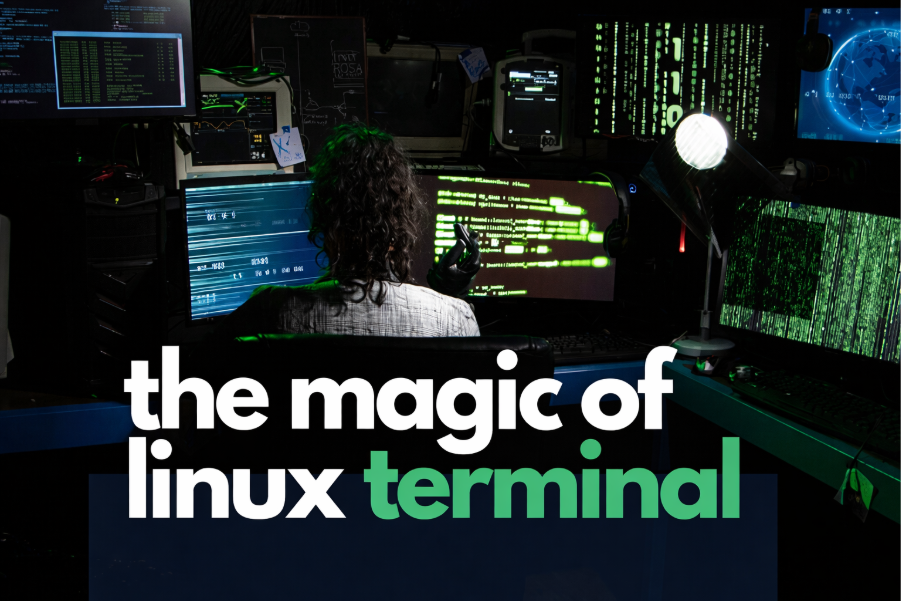
Linux power users love the terminal.
It’s fast.
Efficient.
Flexible.
But for everyday users, the terminal is intimidating.
Modern computing moved toward graphical simplicity for a reason.
Dragging files feels easier than writing commands.
Clicking feels safer than scripting.
Linux still relies heavily on command-line fixes for edge cases.
That’s fine for developers.
But it’s a barrier for everyone else.
If solving problems requires typing cryptic commands from a forum post, adoption will always remain niche.
Polish Matters More Than Power
Here’s the deeper insight.
Linux isn’t missing features.
It often has more features.
But it lacks polish.
Tiny details that mainstream OSes obsess over:
-
Smooth animations
-
Perfect trackpad gestures
-
Seamless app installs
-
Consistent design
-
Reliable updates
These things seem trivial.
Until you don’t have them.
Then you notice every imperfection.
Daily.
And slowly, Linux starts feeling less like freedom… and more like compromise.
Why Linux Thrives Elsewhere
Ironically, Linux dominates everywhere except the desktop.
Why?
Because servers don’t care about polish.
Developers don’t mind terminals.
Cloud systems don’t need gestures.
Linux excels in environments where:
-
Stability matters
-
Customization matters
-
Automation matters
-
Interfaces don’t matter
That’s exactly why it runs the internet.
But the desktop is different.
Desktops are emotional.
They’re personal.
They require comfort.
That’s where Linux struggles.
Community vs Convenience
Linux has something beautiful: community.
Forums.
Wikis.
Open-source contributors.
People genuinely helping each other.
But community support isn’t the same as built-in convenience.
When something breaks on macOS, Apple fixes it.
When something breaks on Windows, Microsoft patches it.
When something breaks on Linux, you search Reddit.
For some users, that’s empowering.
For many, it’s tiring.
The Psychological Factor
There’s also a subtle mental burden.
When using Linux, you’re always slightly “on guard.”
You wonder:
Will this app work?
Will the update break something?
Do I need a driver?
That background anxiety doesn’t exist on more mature consumer systems.
And computing should feel invisible.
The best OS disappears.
If you constantly think about your OS, something’s wrong.
So… Was Linux Really a Mistake?
Not exactly.
Linux isn’t bad.
It’s just misaligned with expectations.
It’s perfect for:
? Developers
? Sysadmins
? Tinkerers
? Privacy enthusiasts
? People who enjoy control
But for:
? Everyday office work
? Creative professionals
? Corporate environments
? Non-technical users
It can feel like unnecessary friction.
The Verge’s headline — “Linux Was a Mistake” — isn’t literal.
It’s emotional.
It captures that disappointment when something you admire philosophically doesn’t work practically.
What Linux Would Need to Win the Desktop
If Linux wants mainstream success, a few things must change:
1. Bulletproof hardware support
Everything must work instantly.
2. First-class app ecosystem
Native versions of major apps.
3. Less terminal dependency
GUI solutions for common fixes.
4. Unified design polish
Consistency across distros.
5. Zero-maintenance experience
Updates that never break workflows.
Until then, Linux will remain beloved — but niche.
The Bigger Lesson
This story isn’t really about Linux.
It’s about expectations.
Technology can be powerful and still inconvenient.
Freedom doesn’t always mean simplicity.
Open-source doesn’t always mean practical.
Sometimes the “best” tool isn’t the most flexible one — it’s the one that disappears and lets you work.
For many people, today, that’s still macOS or Windows.
And that’s okay.
Final Thoughts
Linux continues to shape the digital world in profound ways.
It powers servers.
It drives innovation.
It enables freedom.
But the desktop is a different battlefield.
And until Linux becomes effortless instead of educational, most users will choose convenience over control.
Not because Linux failed.
But because modern computing is about frictionless experiences.
And sometimes, the simplest path is the smartest one.


 Travel
  Studies
  Food
Food  Fashion
  Technology
  Health





All Comments (0)