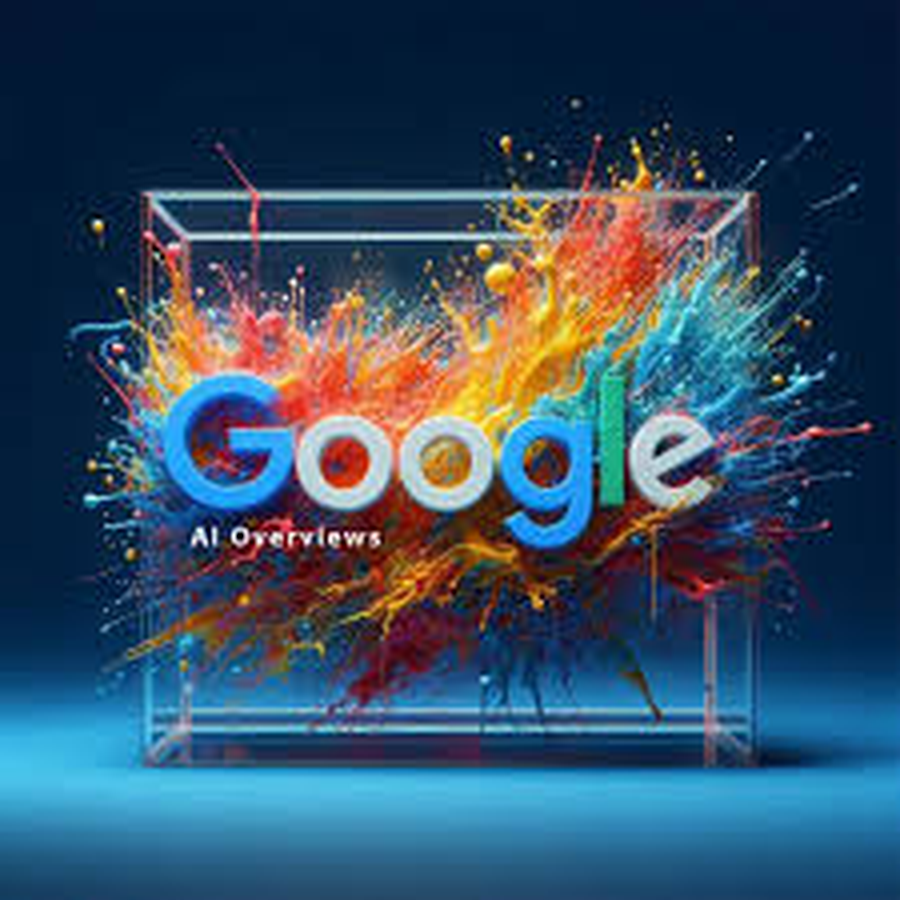

Google is upgrading its AI-powered search features to make source links more visible and interactive inside AI Overviews. The move aims to improve transparency and help publishers regain traffic in the age of AI-driven search.
Search is undergoing one of the biggest transformations since the early days of the internet. With the rapid rise of generative AI, traditional blue-link search results are evolving into conversational summaries powered by large language models. Recently, Google announced an important update to its AI-powered search features — AI Overviews and AI Mode — aimed at making links to original sources more visible and interactive.
While this may sound like a small interface tweak, it represents a deeper shift in how Google is balancing artificial intelligence with the open web ecosystem. At the center of this update is a growing tension: how to provide fast AI summaries while still supporting the publishers and creators whose content fuels the internet.
This blog explores what Google’s update means, why it matters for users and publishers, and how it could influence the long-term future of search.
The Rise of AI-Powered Search
For over two decades, search engines worked in a familiar way: users typed a query and received a ranked list of links. The responsibility of exploring those links fell on the user. Generative AI changed that equation by allowing search engines to synthesize information and present direct answers.
Google’s AI Overviews represent this new model. Instead of showing only links, the system generates concise summaries pulled from multiple sources across the web. These summaries aim to save time by giving users quick, digestible explanations.
The appeal is obvious. Users get faster answers without needing to open multiple tabs. However, this efficiency introduces a challenge: if people rely solely on AI summaries, they may click fewer links, potentially reducing traffic to websites that create the original content.
This concern has sparked intense debate among publishers, journalists, and digital businesses who depend on search referrals for visibility and revenue.
What Exactly Is Changing in Google’s Update?
Google’s latest update focuses on improving how links appear inside AI-generated answers. Instead of burying citations in small or hard-to-notice text, the company is redesigning the interface to make sources more prominent and interactive.
Key improvements include:
-
Clearer visual link indicators inside AI summaries
-
Clickable source cards with images and descriptions
-
Hover previews on desktop, allowing users to preview content before clicking
-
Better attribution to original publishers
These changes are designed to make it easier for users to explore the sources behind AI-generated information. In effect, Google is trying to bridge the gap between quick AI answers and traditional web browsing.
This update signals that Google recognizes the importance of maintaining a healthy relationship with publishers — the very ecosystem that powers its search engine.
Why Publishers Were Concerned
The introduction of AI summaries raised alarms across the digital publishing industry. Many website owners feared that if users received complete answers directly on the search page, they would have less incentive to visit external sites.
For publishers, fewer clicks can translate into:
-
Reduced advertising revenue
-
Lower audience growth
-
Decreased brand visibility
-
Weaker incentives to produce high-quality content
The open web thrives on a cycle of discovery: search engines send users to websites, and those websites create the content that search engines index. If AI disrupts that cycle, the long-term sustainability of online publishing could be at risk.
Google’s update can be seen as a response to these concerns. By enhancing link visibility, the company is attempting to encourage continued traffic flow to original sources.
Balancing Speed and Transparency
One of the core challenges in AI search is balancing speed with transparency. Users want instant answers, but they also need to trust where information comes from.
When AI systems summarize complex topics, the process can feel opaque. Without visible sources, users may struggle to verify accuracy or explore deeper context. By highlighting links and previews, Google is reinforcing the idea that AI summaries should act as gateways — not replacements — for the broader web.
This approach aligns with a growing demand for explainable AI, where systems clearly show how conclusions are reached. In search, that means giving users easy access to original materials.
The User Experience Perspective
From a user standpoint, the update offers several advantages.
First, enhanced link previews make it easier to judge whether a source is relevant before clicking. This can save time and improve browsing efficiency. Second, clearer attribution helps users assess credibility by recognizing familiar publishers or trusted websites.
Most importantly, the update preserves a sense of exploration. While AI summaries provide quick insights, they no longer feel like closed endpoints. Instead, they invite users to dive deeper into the web’s rich landscape of information.
For many users, this hybrid model — combining AI convenience with traditional browsing — may represent the ideal future of search.
The Broader Impact on the Web Ecosystem
Google’s decision carries implications far beyond interface design. It touches on fundamental questions about how AI interacts with the open internet.
The web ecosystem depends on incentives. Content creators invest time and resources to produce articles, videos, and research because they can attract audiences. If AI systems absorb and summarize that content without driving traffic back to creators, those incentives weaken.
By strengthening link visibility, Google is acknowledging that AI and publishing must coexist symbiotically. A thriving web requires both advanced technology and sustainable content creation.
This update may also influence how other technology companies design their AI search features. As competition intensifies, maintaining positive relationships with publishers could become a strategic priority across the industry.
Challenges That Still Remain
Despite these improvements, challenges persist.
Some publishers worry that even enhanced links may not fully compensate for the shift toward AI summaries. If users become accustomed to receiving complete answers instantly, click-through behavior may continue to decline.
Additionally, measuring the real-world impact of these changes will take time. Google will need to analyze user engagement patterns and publisher feedback to determine whether the update achieves its goals.
There is also the broader issue of content ownership and compensation. As AI systems increasingly rely on web data for training and summarization, debates over fair use and licensing are likely to intensify.
The Evolution of Search Behavior
Search behavior has always evolved alongside technology. From simple keyword matching to semantic understanding and now generative AI, each stage has reshaped how people access information.
The introduction of AI Overviews represents another turning point. Users are transitioning from link navigation to conversational interaction. Google’s update suggests that the company does not see this as a zero-sum shift. Instead, it envisions a blended experience where AI enhances — rather than replaces — the traditional web.
If successful, this model could redefine expectations for digital information retrieval. Search engines may become intelligent guides that summarize knowledge while continuously directing users to deeper sources.
Implications for SEO and Digital Strategy
For website owners and marketers, the update carries important strategic implications.
Search engine optimization (SEO) may increasingly focus on being cited within AI summaries, not just ranking high in traditional results. Content that is clear, authoritative, and well-structured is more likely to be referenced by AI systems.
Publishers may also prioritize:
-
Strong branding to encourage recognition in link previews
-
High-quality visuals that attract clicks
-
In-depth reporting that complements AI summaries
-
Trust-building signals such as expertise and credibility
In this new environment, success depends on adapting to an AI-augmented search landscape.
A Glimpse Into the Future of AI Search
Looking ahead, Google’s update may represent an early step in a longer journey. As AI capabilities advance, search interfaces will continue to evolve.
Future developments could include:
-
More interactive multimedia previews
-
Personalized source recommendations
-
Real-time collaboration between AI and publishers
-
Enhanced tools for verifying information
The central challenge will remain the same: ensuring that AI-driven efficiency does not undermine the diversity and vitality of the open web.
Conclusion: A Necessary Adjustment in a Transforming Landscape
Google’s enhancements to AI Overviews and AI Mode reflect a recognition that the future of search must support both users and creators. By making links more visible and interactive, the company is attempting to preserve the delicate balance between instant AI answers and the rich ecosystem of online publishing.
This update underscores a broader truth about technological progress: innovation must be accompanied by thoughtful design that considers long-term consequences. AI has the power to transform how we access information, but its success ultimately depends on sustaining the networks of knowledge that feed it.
As search continues to evolve, Google’s approach may serve as a blueprint for integrating artificial intelligence responsibly — creating a future where speed, transparency, and collaboration coexist.

 Travel
  Studies
  Food
Food  Fashion
  Technology
  Health



All Comments (0)