
Even the world’s most secure messaging app isn’t immune to human deception. Germany now warns that attackers are hijacking Signal accounts using simple social engineering tricks — not hacks.
For years, Signal has been considered the gold standard of secure communication.
Journalists trust it.
Whistleblowers rely on it.
Diplomats and military officials use it to exchange sensitive information.
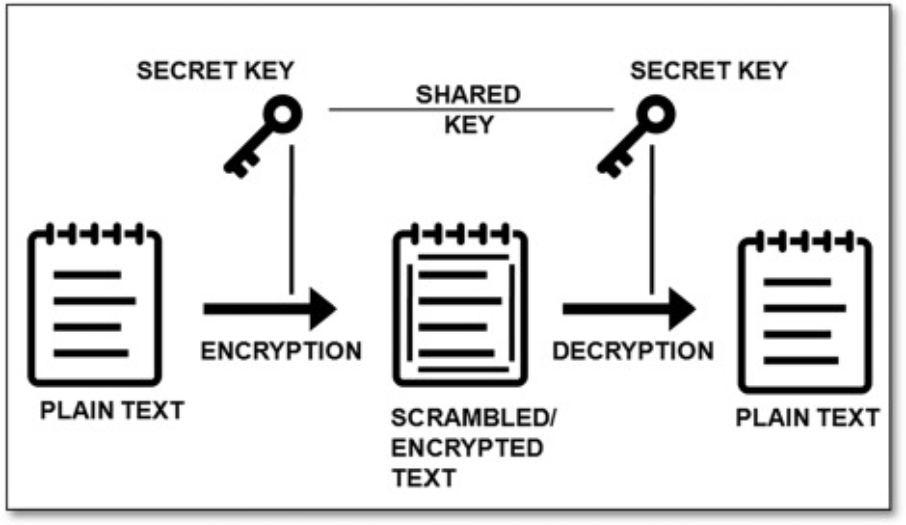
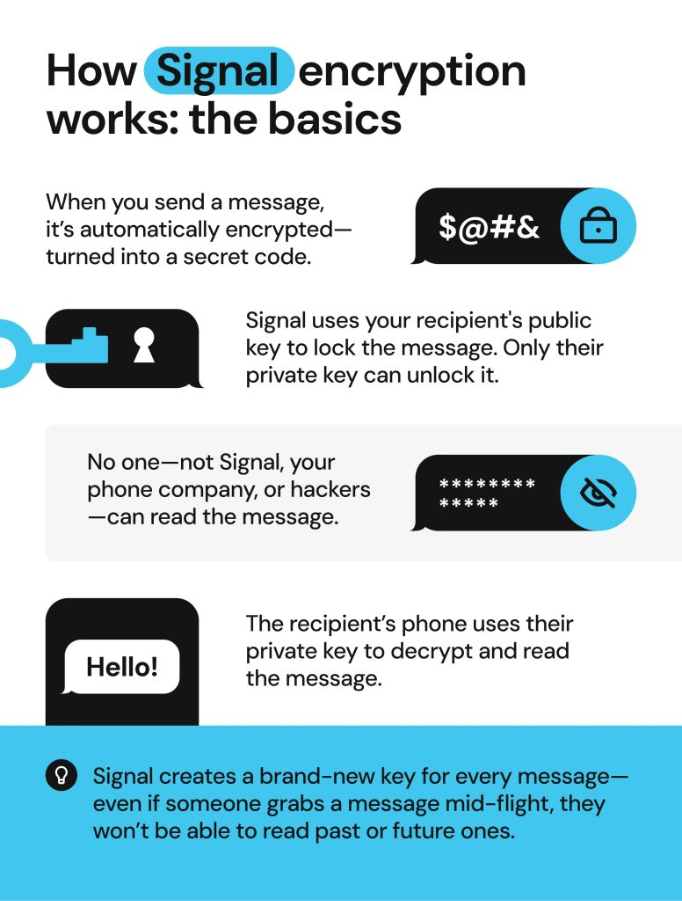
Its promise is simple and powerful: end-to-end encryption that keeps conversations private — no exceptions.
Not even Signal itself can read your messages.
In a world increasingly defined by surveillance, data leaks, and digital espionage, that kind of security feels like a lifeline.
But a new warning from German authorities reveals an uncomfortable truth:
Even the most secure technology can be compromised — not by breaking encryption, but by breaking human trust.
Germany’s intelligence and cybersecurity agencies have uncovered a growing campaign that targets high-profile individuals using Signal. Instead of exploiting software vulnerabilities, attackers are hijacking accounts through deception, manipulation, and social engineering.
No malware.
No advanced hacking tools.
No cryptographic cracks.
Just psychology.
And it’s working.
The Illusion of Perfect Security
We often think of cybersecurity as a technical battle.
Stronger passwords.
Better encryption.
More sophisticated firewalls.
It feels like a contest between code and code.
But the reality is far more human.
Most successful attacks today don’t defeat the system.
They trick the person using it.
Signal itself remains secure. Its encryption hasn’t been broken. Its servers haven’t been breached.
Instead, attackers are going after something much easier to exploit:
the user.
Because no matter how advanced our tools become, humans still make decisions based on urgency, trust, and fear.
And attackers know exactly how to manipulate those instincts.
Who Is Being Targeted?
According to German officials, this isn’t random cybercrime.
The campaign appears to focus on:
-
Politicians
-
Government staff
-
Diplomats
-
Military personnel
-
Investigative journalists
-
Senior business leaders
In other words, people whose conversations matter.
People whose messages might contain:
-
classified discussions
-
sensitive negotiations
-
confidential sources
-
strategic planning
-
or private intelligence
Compromising just one of these accounts can open doors to an entire network of information.
It’s not just about spying on a single person.
It’s about accessing everyone they talk to.
How the Attack Works
What makes this campaign particularly alarming is how simple it is.
The attackers aren’t using cutting-edge hacking tools or complex exploits.
They’re using something far older:
deception.
German cybersecurity researchers identified two main techniques being used to hijack Signal accounts.
Both rely on manipulating victims into voluntarily giving away access.
Method One: The Fake Support Message
Imagine receiving a message that appears official.
It looks legitimate.
It sounds urgent.
It might say:
“Your account may be compromised.”
“Unusual activity detected.”
“Immediate verification required.”
Then it asks you to provide:
-
your Signal PIN
-
or your SMS verification code
On the surface, it seems reasonable.
After all, companies often ask for verification details during security checks.
But here’s the catch:
Signal never asks for this information through messages. Ever.
Once a victim shares that code, the attacker can immediately register the victim’s phone number on their own device.
Within seconds:
-
The attacker gains full access
-
The victim may get logged out
-
The account is effectively stolen
It’s like handing someone the keys to your house because they claimed to be the locksmith.
No break-in required.
You opened the door yourself.
Method Two: The QR Code Trap
The second method is even more subtle — and potentially more dangerous.
Signal allows users to link their account to additional devices using a QR code.
This feature is meant for convenience. For example:
-
connecting Signal to a laptop
-
adding a tablet
-
syncing multiple devices
All you have to do is scan a code.
Simple. Fast. Seamless.
Attackers exploit this trust.
They send victims a malicious QR code disguised as something legitimate — perhaps a shared document, a login link, or a verification step.
If the victim scans it, they unknowingly link the attacker’s device to their Signal account.
And here’s the scary part:
The victim often stays logged in.
Everything appears normal.
Meanwhile, the attacker can quietly:
-
read conversations
-
monitor messages
-
view contacts
-
collect information
It’s silent surveillance.
No alerts.
No warnings.
No obvious signs of intrusion.
The perfect spy doesn’t break the door.
They slip in unnoticed.
Why This Matters More Than You Think
At first glance, this might seem like a niche threat — something that only affects government officials or journalists.
But the implications go far beyond that.
Because the technique doesn’t require advanced skills.
It doesn’t require expensive tools.
It doesn’t even require technical expertise.
Anyone with basic phishing knowledge can replicate it.
Which means:
What starts as targeted espionage today could easily become widespread cybercrime tomorrow.
The same methods used against diplomats could soon be used against:
-
businesses
-
startups
-
remote teams
-
everyday users
If it works on highly trained professionals, it can work on anyone.
The Psychology Behind the Attack
The most fascinating — and unsettling — part of this story isn’t technical at all.
It’s psychological.
These attacks succeed because they exploit basic human instincts:
Urgency
“Act now or lose access.”
People panic and respond quickly without verifying.
Authority
Messages appear to come from “support” or “security teams.”
We naturally trust official sources.
Fear
“Your account is compromised.”
Fear short-circuits rational thinking.
Convenience
“Just scan this code.”
Simple actions feel safe.
Attackers understand something many security systems forget:
Humans don’t behave logically under pressure.
And that’s the real vulnerability.
The Bigger Picture: Social Engineering Is Winning
Cybersecurity used to be about defeating technical defenses.
Today, it’s about defeating people.
Consider this:
It’s easier to trick someone into revealing their password
than it is to crack encryption.
It’s easier to send a fake message
than to exploit a server vulnerability.
It’s easier to manipulate trust
than to break math.
Encryption keeps getting stronger.
Humans don’t.
And attackers know it.
What Can Actually Happen After Hijacking?
Once someone gains access to a Signal account, the damage can be severe.
They can:
-
read private messages
-
impersonate the victim
-
send fake information
-
spy on groups
-
gather intelligence
-
exploit contacts
For journalists, this could expose confidential sources.
For diplomats, it could leak negotiations.
For businesses, it could reveal strategies or trade secrets.
For individuals, it could destroy privacy.
One compromised account can cascade into dozens more.
Because trust spreads.
If a message comes from someone you know, you’re more likely to believe it.
Attackers use that trust to move deeper into networks.
This is how small breaches become major incidents.
How to Protect Yourself
The good news?
These attacks are preventable.
Because they rely on trickery — not technical flaws — awareness is your strongest defense.
Never share verification codes
No legitimate service will ask for them through chat.
Enable Registration Lock
Signal offers an extra PIN requirement when registering on new devices.
Be cautious with QR codes
Only scan codes you personally generate or trust completely.
Check linked devices regularly
Remove anything unfamiliar immediately.
Slow down
Urgency is a red flag.
If something feels rushed or suspicious, pause.
Attackers rely on speed.
Security relies on thinking.
A Lesson for the Future
This story isn’t just about Signal.
It’s about a larger shift in cybersecurity.
As encryption improves and systems become more secure, attackers are moving up the chain.
They’re targeting behavior, not software.
Mindset, not machines.
The future of security won’t be defined only by better technology.
It will be defined by better awareness.
Because the strongest firewall in the world can’t protect someone who willingly opens the door.
Final Thoughts
For years, we’ve treated apps like Signal as digital fortresses.
Encrypted. Protected. Safe.
But this warning from Germany reminds us of a simple truth:
No tool is invincible.
Technology can secure data.
But only people can secure trust.
And trust is exactly what attackers are trying to steal.
So the next time you receive an urgent message asking for verification…
Pause.
Question it.
Verify independently.
Because sometimes the most dangerous threats aren’t hidden in code.
They’re hidden in plain sight.


 Travel
  Studies
  Food
Food  Fashion
  Technology
  Health





All Comments (0)