

A stealthy Linux toolkit named DKnife is silently targeting routers, intercepting internet traffic to spy on users and deliver malware across entire networks.
DKnife: The Linux Toolkit Silently Hijacking Router Traffic to Spy and Deliver Malware
In the constantly evolving world of cybersecurity, networks that once felt secure are increasingly becoming the battlegrounds of sophisticated attacks. In early 2026, cybersecurity researchers uncovered a particularly concerning threat: a Linux-based toolkit named DKnife that has been used for years to hijack internet traffic at the router level, enabling stealthy espionage and malware delivery across entire networks.
Unlike many traditional malware campaigns that target individual devices, DKnife operates at the network edge — the geographic frontier where a router or gateway device connects an internal network to the wider internet. By monitoring, redirecting, and manipulating traffic at this level, the toolkit allows attackers to observe user activity, harvest credentials, hijack software downloads, and even inject malicious software into devices connected to the network.
This blog explores the inner workings of DKnife, the threat actors believed to be behind it, how it compromises networks, what it can do once inside your infrastructure, how defenders can respond, and why this type of threat represents a worrying shift in modern cyber operations.
What Is DKnife? A New Breed of Adversary-in-the-Middle Framework
DKnife is not a simple bug or single executable file. Instead, researchers at Cisco Talos describe it as a modular, Linux-based adversary-in-the-middle (AitM) framework that has been active since at least 2019. It is composed of seven distinct binaries, each designed to perform specific traffic manipulation, monitoring, or persistence tasks on compromised edge devices like routers.
In cybersecurity speak, an AitM framework is one that sits in between the victim and the destination they are trying to reach — in this case, literally positioned on the network gateway that all internal traffic passes through. This gives attackers unparalleled visibility and control over data entering or leaving a network.
Unlike traditional malware that infects a single computer, DKnife is designed to infect network edge devices — the routers and gateways that connect homes or offices to the internet. Once DKnife takes root in such a device, it can inspect and manipulate traffic for all connected systems — from personal computers and smartphones to IoT devices like smart cameras and home automation hubs.
The Seven Components That Make DKnife Dangerous

Understanding DKnife’s architecture is key to appreciating how powerful — and stealthy — it is. According to findings by Cisco Talos, the toolkit comprises seven Linux executables, each with a unique purpose in the overall framework:
-
dknife.bin – The primary component responsible for packet inspection and implementing attack logic. It monitors traffic and reports collected data to remote command-and-control (C2) servers.
-
postapi.bin – Acts as a relay between the main toolkit and the C2 infrastructure, facilitating communication.
-
sslmm.bin – A custom reverse proxy derived from HAProxy technology, allowing traffic to be rerouted or inspected at scale.
-
yitiji.bin – Creates a virtual Ethernet interface (TAP) on the compromised router and bridges it into the LAN, enabling attackers to monitor and redirect traffic to local devices.
-
remote.bin – Implements peer-to-peer VPN functionality using n2n VPN software, further concealing malicious traffic flows.
-
mmdown.bin – Acts as a downloader for Android APK files, facilitating malware delivery to phones and tablets.
-
dkupdate.bin – Updates or installs components of the DKnife framework, maintaining persistence on the device.
Each of these components works in concert, giving the attackers a robust and flexible toolkit with capabilities far beyond simple passive interception. In many ways, it resembles a full surveillance suite embedded in the gateway device itself.
How DKnife Gains Entry — The Infection Lifecycle
One of the troubling aspects of DKnife is that researchers have so far been unable to conclusively determine how the initial compromise occurs. This means that attackers may be exploiting unknown vulnerabilities in router firmware, weak credentials left unchanged from default settings, or other weaknesses in automated management interfaces.
The infection lifecycle can be roughly understood in a few broad stages:
1. Initial Compromise of the Router
The first step likely involves attackers gaining access to the router using some combination of:
-
Known but unpatched vulnerabilities in router firmware
-
Weak administrative credentials (e.g., unchanged defaults)
-
Remote management interfaces exposed to the internet
-
Supply chain compromise of device firmware
Once access is achieved, they can install the DKnife binaries on the device.
2. Establishing Persistence and Traffic Interception
With DKnife in place, the toolkit uses components like yitiji.bin to create virtual network interfaces that sit alongside legitimate ones. These virtual interfaces allow the malware to intercept all traffic heading through the router, effectively turning the device into a malicious proxy.
3. Communication With Command-and-Control Servers
Using the relay component (postapi.bin) and the peer-to-peer VPN (remote.bin), DKnife maintains contact with remote command servers. These connections let attackers send updated instructions or additional components, and receive stolen data.
4. Payload Delivery and Monitoring
Once installed, DKnife can perform a range of malicious actions — everything from delivering malicious payloads to harvesting credentials, monitoring communications, and hijacking software updates.
This lifecycle makes the framework not just a passive observer but an active participant in the network attack chain.
What DKnife Is Capable Of — Beyond Simple Interception
DKnife’s capabilities go far beyond simply watching traffic. Researchers found that it can:
Deep Packet Inspection and Manipulation
DKnife doesn’t just intercept network traffic — it performs deep packet inspection (DPI), meaning it can read and understand the contents of packets beyond basic header metadata. This allows attackers to see usernames, encrypted sessions, and in some cases reassemble traffic into meaningful data.
Credential Harvesting
By inspecting protocols like POP3 and IMAP (used for email), DKnife can intercept credentials before they reach their intended destination. This type of credential harvesting is especially concerning for services that do not use secure transports by default.
Malware Delivery
One of the most dangerous capabilities of DKnife is its ability to deliver malicious software to devices on the network, including:
-
ShadowPad backdoor for Windows systems — a widely used malware family known for persistence and remote control.
-
DarkNimbus backdoor — another persistent threat often linked to espionage operations.
-
Malicious APK files on Android devices — delivered via manipulated updates or poisoned downloads.
These payloads can then be used to take control of endpoints, exfiltrate sensitive data, or expand the threat actor’s foothold.
DNS Hijacking and Browser Redirection
DKnife can change DNS settings on the network, redirecting legitimate domain requests to malicious servers. This enables phishing pages, spyware downloads, or other malicious redirects without the victim’s knowledge.
Hijacking Updates
The toolkit can intercept and manipulate software updates — a form of attack known as update hijacking — sending malicious binaries disguised as trusted updates.
Who Is Behind DKnife? China-Nexus Threat Actors
Talos researchers have noted language artifacts, code comments, and component names referencing Simplified Chinese throughout DKnife’s codebase. Additionally, the malware has been observed targeting services popular among Chinese users, such as regional email providers and social apps like WeChat.
Based on these indicators, researchers assess with high confidence that the operator of the toolkit is a China-nexus threat actor — meaning a group or individual either based in China or closely aligned with Chinese cyber espionage operations.
The involvement of tools like ShadowPad and DarkNimbus — both of which have been linked to other China-oriented threat campaigns — further supports this conclusion.
Importantly, though, the exact identity of the operator remains unknown, and given the modular nature of the attack infrastructure, multiple actors or shared toolsets could be involved.
Real-World Impact — Who Is at Risk?
The most immediate risk of DKnife is to any organization or individual whose router has been compromised. Because the toolkit operates at the traffic gateway, every device on the network is theoretically vulnerable once the edge device has been compromised.
This means:
-
Home users with insecure routers
-
Small businesses without enterprise-grade network defenses
-
IoT devices lacking robust security controls
-
Corporate networks with unmanaged edge devices
can all be victims of espionage, credential theft, malicious update delivery, or backdoor installation.
Even if a user’s device has strong endpoint protection, DKnife’s ability to intercept and manipulate traffic before it reaches the endpoint can bypass these defenses entirely.
How Can Organizations and Individuals Protect Themselves?
Mitigating a threat like DKnife requires a multi-layered approach focused on prevention, detection, and response.
1. Secure Edge Devices
The first line of defense is making sure that routers and gateways are properly secured:
-
Change default administrative passwords
-
Apply firmware updates regularly
-
Disable remote administration
-
Restrict access to management interfaces
Regularly patching router firmware closes many known vulnerabilities that attackers exploit for initial entry.
2. Monitor Network Traffic
Because DKnife operates by inspecting and manipulating traffic, unusual patterns — such as unauthorized DNS changes, unexpected TLS certificates, or unknown IP endpoints — can be key indicators of compromise.
Implementing network monitoring tools and intrusion detection systems can alert administrators to suspicious activity.
3. Use Encrypted and Authenticated Channels
Where possible, use protocols that enforce encrypted and authenticated connections — such as HTTPS, DNS over HTTPS (DoH), and VPN tunnels. While these won’t stop all attacks, they increase the difficulty of undetected traffic manipulation.
4. Update Software and Endpoints
Keeping devices patched and software up to date won’t necessarily prevent a compromised router, but it reduces the chance that attackers can exploit additional vulnerabilities on endpoints once inside the network.
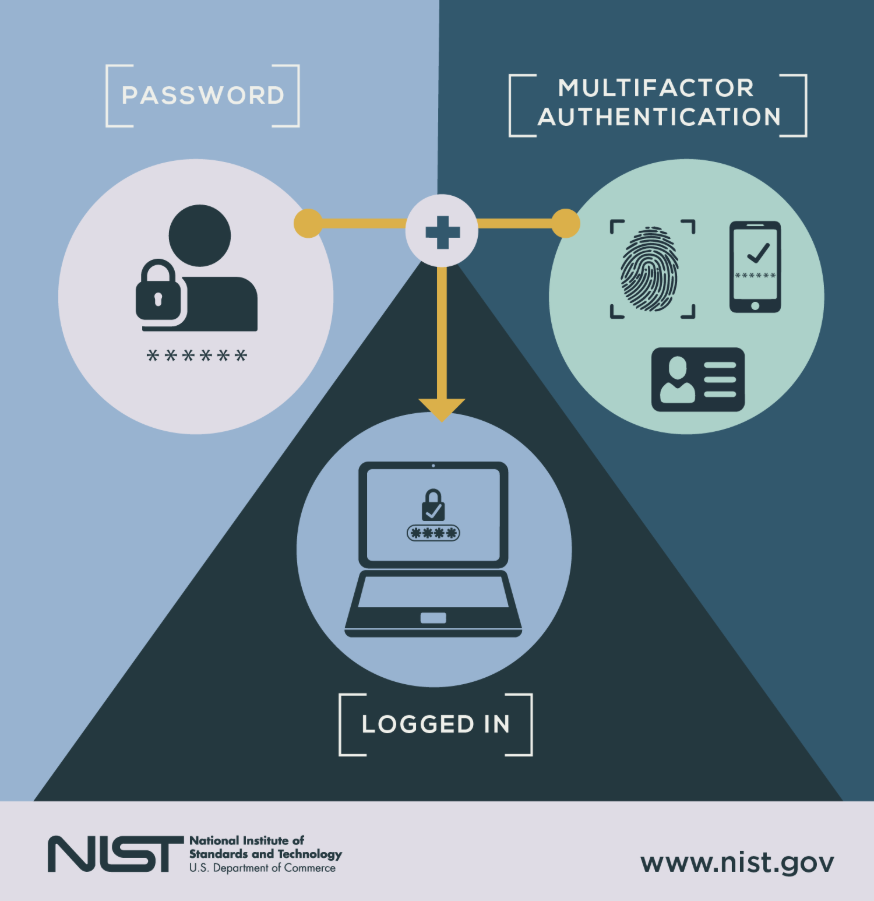
5. Use Multi-Factor Authentication
Credential harvesting is a common technique used by DKnife. Multi-factor authentication (MFA) can help ensure that even if credentials are captured, attackers still cannot easily access accounts.
Why This Threat Represents a Paradigm Shift
DKnife differs from many traditional malware campaigns in several key ways:
-
It targets edge devices, not just individual endpoints.
-
It operates as a post-compromise framework with persistence.
-
It enables both espionage and direct malware delivery.
-
It can manipulate traffic in real time.
By compromising the router — the device responsible for directing all network traffic — attackers gain a position of power that bypasses many traditional cyber defenses. Most home users don’t even think about securing their routers beyond simple Wi-Fi passwords, leaving a vast attack surface exposed.
Conclusion — The Road Ahead
The discovery of DKnife highlights two important truths about cybersecurity in 2026:
-
Threat actors are becoming more sophisticated, focusing not just on individual devices but on strategic network positions.
-
Network edge devices are a critical frontier, one that is often overlooked despite its central role in modern connectivity.
As attackers continue to develop powerful toolkits like DKnife, both consumers and organizations must rethink how they secure the gateways that connect us to the digital world. Regular maintenance of routers, proactive network monitoring, and robust authentication practices are no longer optional — they are essential.
The stakes are high. Because once a router is compromised, every device behind it can become a window into your digital life.
Stay informed. Stay vigilant. Secure your network — before someone else does it for you.


 Travel
  Studies
  Food
Food  Fashion
  Technology
  Health





All Comments (0)