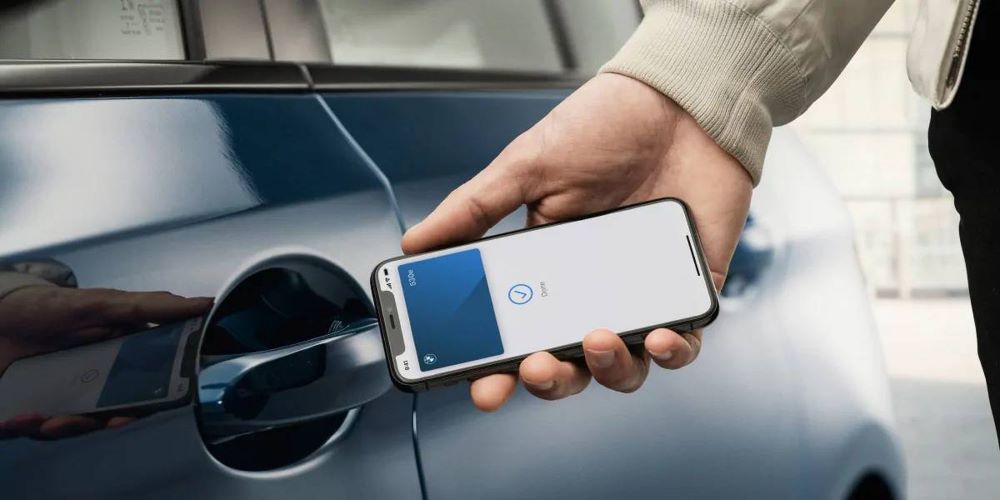

Digital car keys are rapidly replacing physical keys, with automakers and tech giants converging on standardized systems powered by smartphones and secure wireless tech. At CCC Plugfest #16, Rivian and industry partners demonstrated how far digital key tech has come — and where it’s headed.
In an era where almost everything we carry fits inside a smartphone, the concept of a physical car key is rapidly becoming obsolete. From contactless payments to boarding passes, the device in your pocket is already central to how you live, work, and travel. Now, it’s becoming central to how you secure and control your vehicle.
This shift isn’t just a convenience — it’s a fundamental part of how cars are evolving into software-defined platforms that integrate seamlessly with the digital ecosystem around us. And a major milestone in this journey was recently showcased at the 16th annual Plugfest, an interoperability testing event hosted by the Car Connectivity Consortium (CCC) in Silicon Valley, co-hosted by Rivian and Volkswagen Group Technologies.
This annual gathering brings together automakers, smartphone manufacturers, chip vendors, and tech giants to ensure that digital car key systems work reliably and securely across devices and brands. In 2026, the event highlighted just how far digital key technology has come — and how much further it still has to go.
What Is a Digital Car Key?
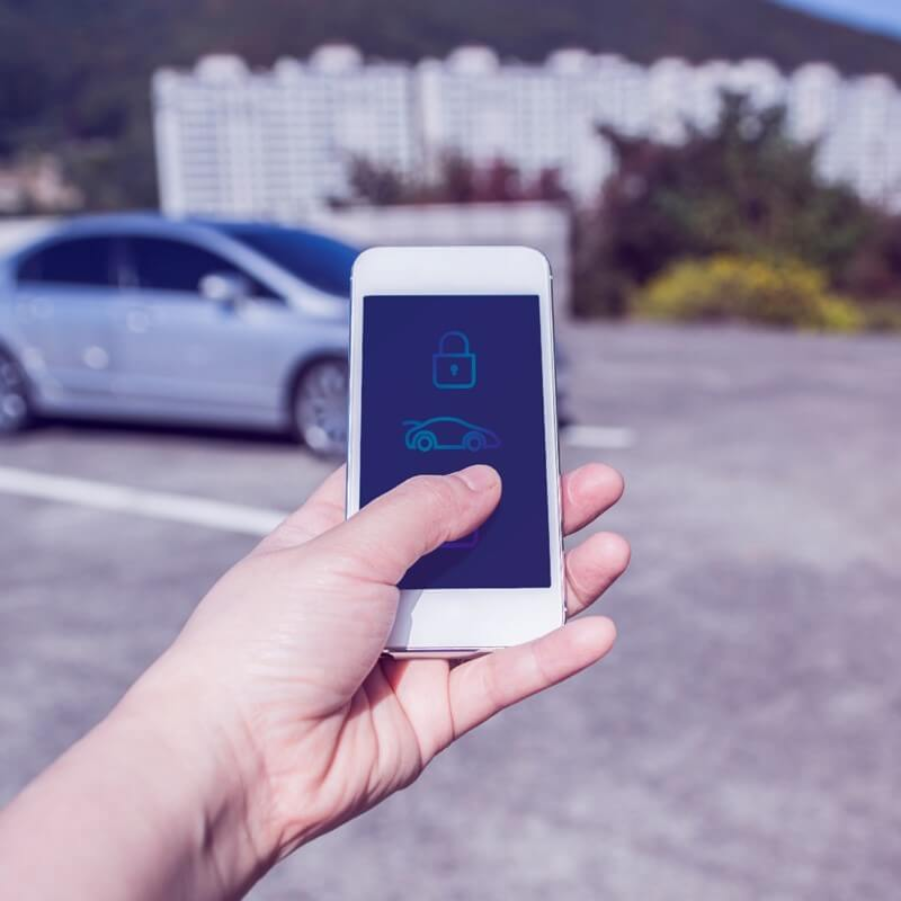
Before we explore the breakthroughs showcased at Plugfest, it’s worth explaining what a digital key actually is and why it matters. A digital car key is essentially a secure digital credential stored on your smartphone or smartwatch. Much like how your digital wallet stores credit cards or boarding passes, your phone can store a car key that allows you to:
-
Unlock and lock your car
-
Start the engine
-
Share keys with friends or family
-
Control access for rentals or fleets
These functions are typically supported through technologies like Bluetooth Low Energy (BLE), Near-Field Communication (NFC), and Ultra-Wideband (UWB), which allow the phone and vehicle to communicate securely and automatically at close range, often without the user having to take the phone out of their pocket.
Apple, Google, and Samsung have all adopted the CCC’s Digital Key standard in their mobile platforms, integrating digital keys into their respective Wallet apps. In fact, Apple’s implementation is now supported across more than 30 automotive brands, and Samsung Wallet similarly enables digital car key support across a range of vehicles.
Why Standardization Matters
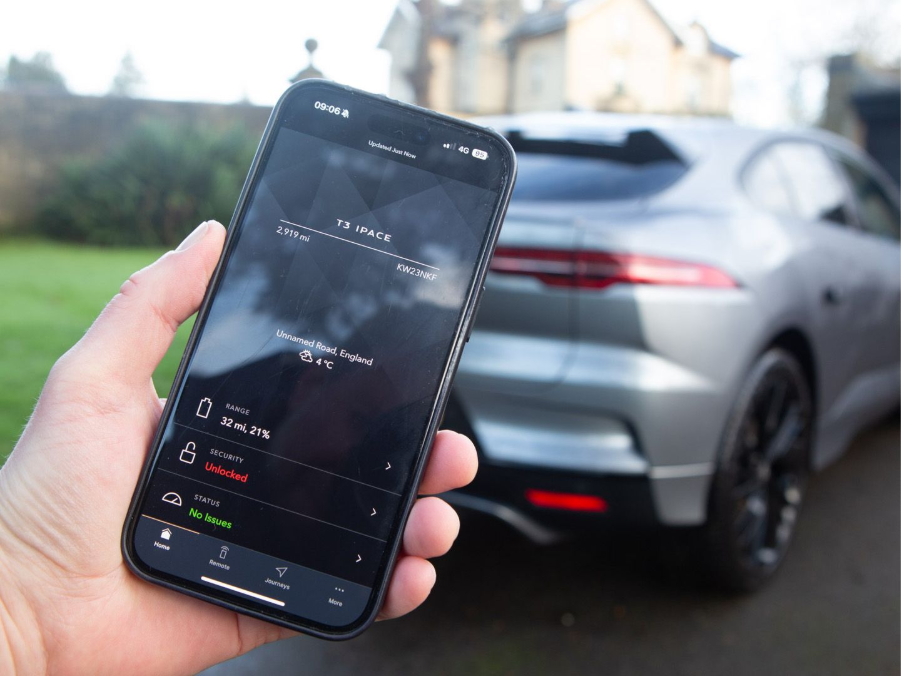
One major challenge facing digital car key technology is fragmentation. Every automaker has different hardware, software stacks, and wireless interfaces. Without a common standard, a key created on one device might not work on another brand’s car — much like how early mobile chargers were incompatible across phones.
This is why the Car Connectivity Consortium (CCC) plays such an important role. Founded to develop industry-wide standards for vehicle connectivity, the CCC’s Digital Key program ensures interoperability so that digital keys created on one platform — say, Apple Wallet — will work across many different cars, and that security and convenience don’t differ wildly from one brand to the next.
CCC’s Digital Key Certification Program — launched in 2023 — has seen rapid growth. Certifications jumped from just a couple in 2024 to more than 100 products in 2025, signaling that not only are automakers adopting the standard, but there’s real momentum behind it globally. Certified vehicles now include major brands from Europe, the U.S., and even China.
Highlights from CCC Plugfest #16
The Plugfest is a technical interoperability testing event where companies bring hardware and software from various ecosystems to see how well they work together. For the 16th Plugfest, held in Palo Alto, Silicon Valley, the focus was on the CCC’s Digital Key v4 specification — the latest evolution of the standard designed to handle more devices and use cases more securely and reliably.
Participants included major automakers and tech players, including Rivian, Volkswagen, Apple, and others. Together, they tested cross-platform compatibility between smartphones, digital wallets, and in-car systems, with an emphasis on:
1. Interoperability Across Platforms
One of the biggest priorities is ensuring that keys created on iPhones, Android phones, or Samsung devices can all communicate seamlessly with vehicles from different manufacturers. Plugfest tested dozens of combinations, highlighting the need for sound system integration and robust security across a fragmented hardware landscape.
2. Expanded Sharing and Fleet Support
The Digital Key v4 specification includes features aimed at easier sharing — for example, letting users grant temporary access to friends or family, or integrating with rental car or fleet management systems. This expands the use of digital keys beyond personal access to business use cases.
3. Security and Precision with UWB and BLE
UWB stands out as one of the most promising technologies for location-based car access. Compared with older Bluetooth implementations, UWB offers greater precision and security, enabling features like passive entry (unlocking without taking the phone out of your pocket) and better resistance against relay attacks.
Despite progress, the Plugfest also highlighted that digital keys are not yet perfect. User reports on forums like Reddit show that some owners have experienced connectivity hiccups and setup failures, particularly when adding digital keys after software updates — a reminder that usability and reliability still need refinement.
How the Technology Works: NFC, BLE, and UWB
Digital car keys leverage a mix of wireless technologies, each with strengths and challenges:
Bluetooth Low Energy (BLE)
BLE is widely supported and works well for proximity detection. It’s often used when connecting the phone to the car at close range. But BLE’s precision is limited compared to newer tech, and in some implementations, it requires opening an app or initiating a connection manually.
Near-Field Communication (NFC)
NFC enables “tap-to-unlock” functionality, similar to contactless payments. It’s secure and low-power, but it requires physical proximity — very close to a reader plate on the car door — which can be less convenient than completely passive systems.
Ultra-Wideband (UWB)
UWB is rapidly becoming the preferred standard for passive entry and secure positioning. It provides centimeter-level accuracy, enabling features that feel seamless, such as automatically unlocking when you approach your car with your phone in your pocket. UWB also enhances security against spoofing, making it ideal for digital key authentication.
Phones that support UWB — including many models from Apple, Samsung, and Google — are already capable of this technology, meaning future vehicles and digital keys will increasingly lean on UWB for reliable, secure access.
Real-World Use: Rivian, Samsung, Apple, and Others
Rivian, the American EV maker, has been at the forefront of adopting digital key technology as part of its broader vision for connected vehicles. Rivian’s most recent software updates (for example the 2025.46 OTA update) have added digital key functionality that lets owners store their vehicle keys in their smartphone wallets, work across platforms including Apple Wallet and Samsung Wallet, and use BLE and UWB as needed.
This update also reflects how digital keys are becoming more intuitive: once your phone (or smartwatch) is registered, you can walk up to your car and have it unlock without pulling out a physical key or even opening an app. That’s the vision that CCC and automakers are collectively working to achieve.
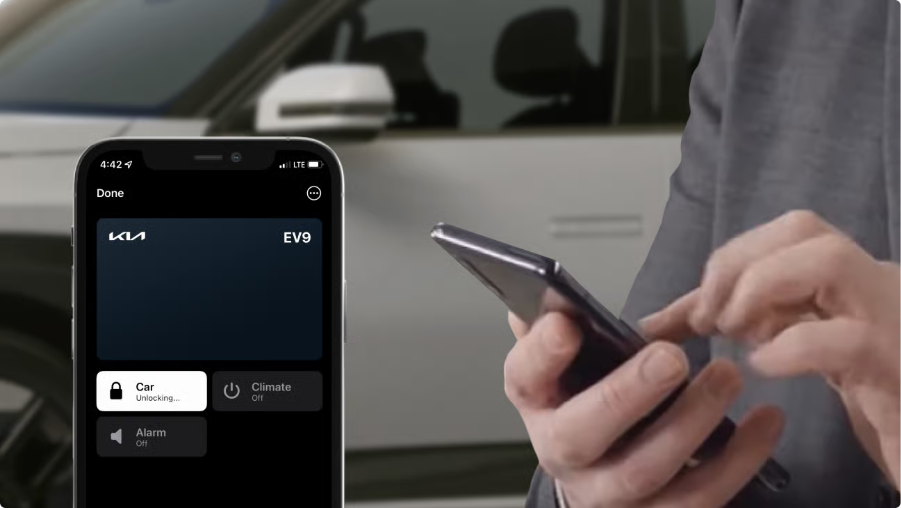
But community feedback suggests that early implementations are still a mix of success and frustration. Some Rivian owners have reported difficulties setting up their digital key, with some needing to delete old keys, reset pairing data, or troubleshoot connectivity to get everything working. These anecdotes show that while the technology is promising, ease of use and reliability are areas where improvement is ongoing.
Why Digital Keys Matter to Drivers and the Auto Industry
The move toward digital keys is more than a novelty — it represents a shift in how drivers interact with their vehicles and how cars fit into the broader digital ecosystem:
1. Enhanced Convenience
Gone are the days of fumbling for a key fob. With digital keys, drivers can unlock and start their vehicles using devices they already carry and use every day. Sharing access also becomes easier, especially for families or businesses managing multiple drivers.
2. Increased Security
Digital keys built on standardized protocols like those from the CCC can leverage advanced encryption, UWB positioning, and multi-factor authentication. These technologies make it harder for attackers to clone or relay signals compared to traditional key fobs.
3. Integration With Other Services
Because digital keys live in Wallet apps, they can integrate with payment systems, concierge services, and even public transit solutions. This opens the door for mobility services where access and payment are unified under one credential.
4. Lifecycle and Future Services
Digital keys can evolve with the car over its lifetime through software updates. New features can be added without hardware changes — allowing ongoing improvements to access control, sharing, and personalization.
Challenges and the Road Ahead
Despite rapid advancement, digital key technology still faces hurdles:
1. Reliability and Bug Fixes
As some users have reported, early implementations can be buggy or inconsistent. Manufacturers and software platforms need to iron out these issues to ensure smooth, everyday use without frequent troubleshooting.
2. Standard Implementation Across Brands
Even with CCC’s standards, variations in hardware and firmware can lead to inconsistent experiences. Plugfests help interoperability, but real-world complexity remains a challenge.
3. Privacy and Security Expectations
As car access moves to phones, questions about data privacy and device security become more pronounced. Drivers must trust that their credentials are secure within their wallets and that access controls are robust against attacks.
4. Transitioning Older Models
Many millions of vehicles on the road today lack digital key hardware. Retrofitting older cars is possible through aftermarket solutions, but not all customers will adopt digital access uniformly.
Conclusion: Toward a Keyless Future
The digital key revolution represents one of the most tangible ways vehicles are becoming smarter, more connected, and better integrated with our digital lives. What once seemed like a futuristic idea — unlocking and starting a car with nothing but a phone or smartwatch — is now becoming a mainstream reality backed by industry standards and cross-company collaboration.
Thanks to efforts like the CCC’s Plugfest and rapid certification growth, digital key technology is moving from experimentation to everyday use. As software engineers, automakers, and tech platforms refine these systems, drivers stand to benefit from a future where access is seamless, secure, and personalized — all without a physical key in sight.


 Travel
  Studies
  Food
Food  Fashion
  Technology
  Health





All Comments (0)